
A low fade can look immaculate when it leaves the chair, then lose its shape two weeks later if the cut was not built around your growth pattern. Equally, a longer textured style can fall flat if it has been cut without considering how you actually wear it. That is why the barber versus salon stylist decision is not simply about choosing one type of shop over another. It is about finding the specialist whose craft, consultation and finishing work suit your hair, facial hair and routine.
Neither route is automatically better. The right choice depends on the result you want, the amount of maintenance you are prepared to do, and whether your appointment is centred on hair alone or complete grooming.
Barber versus salon stylist: the practical difference
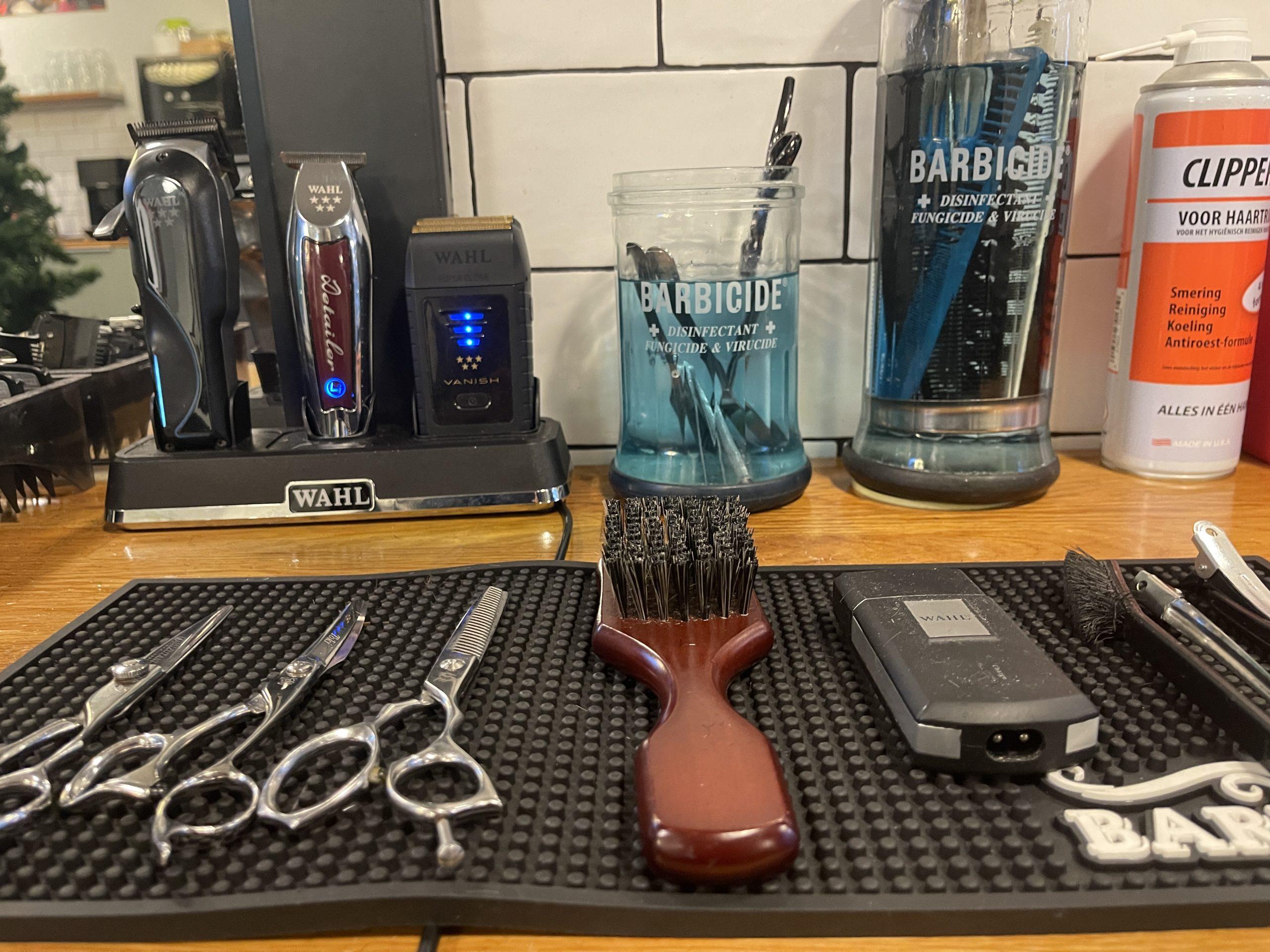
A barber is trained around the detail of short hair, men’s grooming and close work. Think clean tapers, sharp fades, buzz cuts, scissor-over-comb shaping, neckline work, beard design and traditional shaving. The work is often precise, structured and maintenance-led. A good barber understands how a cut should grow out between appointments, where weight needs to sit, and how a fade should connect to the shape on top. There are also barbers who are trained in long hair as well. But in this era of barbering, schools concentrate on pure mens’s haircuts. There are barbershops like Rogue Razor Barbershop who do train other services like longer hairstyles, colour and highlights.
A salon stylist may work across a broader range of hair lengths, techniques and services. They can be an excellent choice for clients growing their hair, wearing a longer layered style, changing colour, or looking for more extensive transformation work. Many salon stylists are highly skilled with men’s hair too, particularly when the brief calls for movement, length and more involved scissor work.
The distinction is not a judgement on talent. It is a question of specialism. If you want a skin fade that is clean at the temple, balanced behind the ear and blended flawlessly into a beard, barbering technique is usually the most direct fit. If you are moving from a short cut into shoulder-length hair, or planning colour alongside a restyle, a stylist with that specific experience may be the stronger match.
When a barber is the right chair
Barbering comes into its own when the details around the edges matter as much as the hair on top. A precise haircut is not just a shorter version of whatever you had before. It accounts for your head shape, crown direction, density, hairline and face structure, then uses those features to create a proportionate finish.
A barber is often the natural choice for a tight fade, taper, crop, classic side part, buzz cut or short textured style. These looks can appear simple, but their quality lives in the transition. A harsh line, uneven blend or overworked crown will show quickly. Skilled hands make the difference between a cut that looks fresh for an evening and one that continues to sit well as it grows.
Facial hair is another clear advantage. Your beard should support the haircut rather than look like an unrelated feature. A barber can shape the cheek line and neckline, manage bulk through the sides, blend the beard into the haircut and create definition without taking away too much length. For clients who shave clean, traditional straight-razor work, hot towels and careful preparation turn a routine task into a restorative treatment.
There is also the value of consistency. If you wear a fade every three or four weeks, your barber learns your preferred height, how quickly your sides fill in and where your hair resists the clippers. That shared knowledge makes repeat appointments more efficient while keeping the result personal.
When a salon stylist may suit you better
A salon stylist can be the right choice when your hair plan involves substantial length, colour or a major change in direction. Longer hair often requires a different approach to sectioning, layers and weight removal. The goal may be to encourage natural movement, control a strong wave, or keep enough density so fine hair does not appear sparse.
This is especially relevant if you are growing out a short cut. The awkward middle stage is not solved by simply leaving it alone. It needs shaping at the right points so the hair develops into a deliberate style rather than an unfinished one. A stylist experienced in longer cuts can help set that course.
Colour services are another practical consideration. If you want highlights, a significant colour correction or a more technical colour result, look for a professional whose portfolio and consultation process demonstrate real experience with that work. Be direct about the condition of your hair, previous colour and the amount of upkeep you are willing to commit to.
That said, longer hair does not automatically mean a salon stylist, just as short hair does not automatically mean a barber. Some barbers are outstanding with medium-length scissor cuts, while some salon stylists produce exceptional fades. Ask about the service you want, not only the sign above the door. Rogue Razor Barbershop
The consultation should settle the question
The best appointment starts before the first clipper guard or pair of scissors comes out. A proper consultation should cover how you normally style your hair, how much time you have each morning, what you liked or disliked about previous cuts, and how often you intend to return.
Bring reference images if they help, but use them as a starting point rather than a fixed instruction. The person in the photo may have a different hairline, density, curl pattern or face shape. A professional should explain what will translate well to your own hair and what needs adapting. That is not a compromise. It is how a style becomes yours.
Be honest about your habits. If you use no product and want to spend two minutes getting ready, a high-volume style that demands blow-drying and paste every morning is unlikely to be a lasting success. If you enjoy styling and want a more expressive finish, say so. The best cut supports your life outside the chair.
At Rogue Razor, this consultation-led approach is central to the service. From a Junior Barber to a Master Barber with decades of experience, the focus is on a result that feels considered, wearable and sharply finished, not a one-size-fits-all trend.
Consider the maintenance, not only the first result
Your ideal chair should also fit your calendar. Tight skin fades and sharply defined beard lines look their best with regular upkeep, often every two to four weeks depending on your growth. A longer, layered style may allow more time between appointments, though it still benefits from planned shaping to prevent it losing its structure.
Product choice matters here. A matte clay can give control to short textured hair without a glossy finish. Pomade can suit classic, defined styles. Sea salt spray can create lift and texture for relaxed medium-length hair, while beard balm helps soften facial hair and maintain a tidier outline. The product is not an afterthought. It is the tool that helps you recreate the intended finish at home.
Avoid chasing a cut that requires more maintenance than you genuinely want. There is confidence in a crisp weekly routine, but there is also confidence in choosing a style that looks strong with minimal effort. Your barber or stylist should help you find the balance.
How to choose with confidence
When deciding between a barber and a salon stylist, look beyond price or convenience. Pay attention to whether their work resembles the outcome you want, whether they ask useful questions, and whether they explain their recommendation clearly. A specialist should make you feel informed, not pressured.
For a close cut, clean fade, beard trim, head shave or classic grooming ritual, a barber is likely to offer the technical detail and focused experience you need. For major length changes, colour or long-hair shaping, a salon stylist may offer the more relevant toolkit. And if your preferred professional can demonstrate excellent work in the specific style you want, their actual skill matters more than the label.
Choose the chair that sees the whole picture: your hair, your features, your routine and the version of yourself you want to meet in the mirror. A sharp cut is not about following someone else’s style. It is about wearing your own with more confidence.
For a more professional advice and service
Book Online
at Rogue Razor Barbershop.