
A fresh cut should leave you feeling sharper, not second-guessing the bill. This guide to barber pricing explains what you are paying for, why two seemingly similar appointments can cost very differently, and how to choose a service level that suits your style, schedule and standards.
The short version is that barber pricing is not only about the minutes spent in the chair. It reflects technical skill, consultation, tools, products, finishing work and the consistency you can expect when you return in a few weeks. For a clean fade, a shaped beard or a close hot-towel shave, the detail is where the value lives.
What barber pricing really covers
A professional barber appointment starts before the clippers touch your hair. A good barber reads your head shape, hair density, growth patterns and face structure, then translates what you want into a cut that works beyond the mirror in the shop. That judgement is built through training, repetition and years of hands-on experience.
The price also covers the quality of the process. Sharp, well-maintained tools create cleaner lines and more controlled blends. Premium products help the finish hold its shape. Time spent checking balance, detailing the neckline and refining the edges separates a haircut that is merely shorter from one that looks intentional.
Atmosphere has a place too, particularly when you book a traditional service. Hot towels, luxury lather, straight-razor detailing, a scalp massage or a hydrating facial treatment are not unnecessary extras when they are done properly. They turn routine maintenance into a restorative grooming ritual.
A guide to barber pricing by service type
The service itself is the first and most obvious factor. A buzz cut generally requires less shaping and blending than a skin fade with longer textured hair on top. A beard trim may be a quick maintenance appointment, or it may involve consultation, length removal, line work, hot towels and detailed razor finishing.
Haircuts and fades
A standard haircut price usually accounts for a consultation, wash or preparation where offered, the cut, styling and final checks. Fades often sit at a higher point when they demand careful graduation from skin to length, especially if the result needs to stay crisp from every angle.
Longer hair can also require more time than clients expect. Scissor work, layering and styling need patient control. The same applies when you are changing direction completely, such as growing out a short cut, correcting an uneven previous cut or moving from long hair to a new, structured shape.
Beard trims and shaves
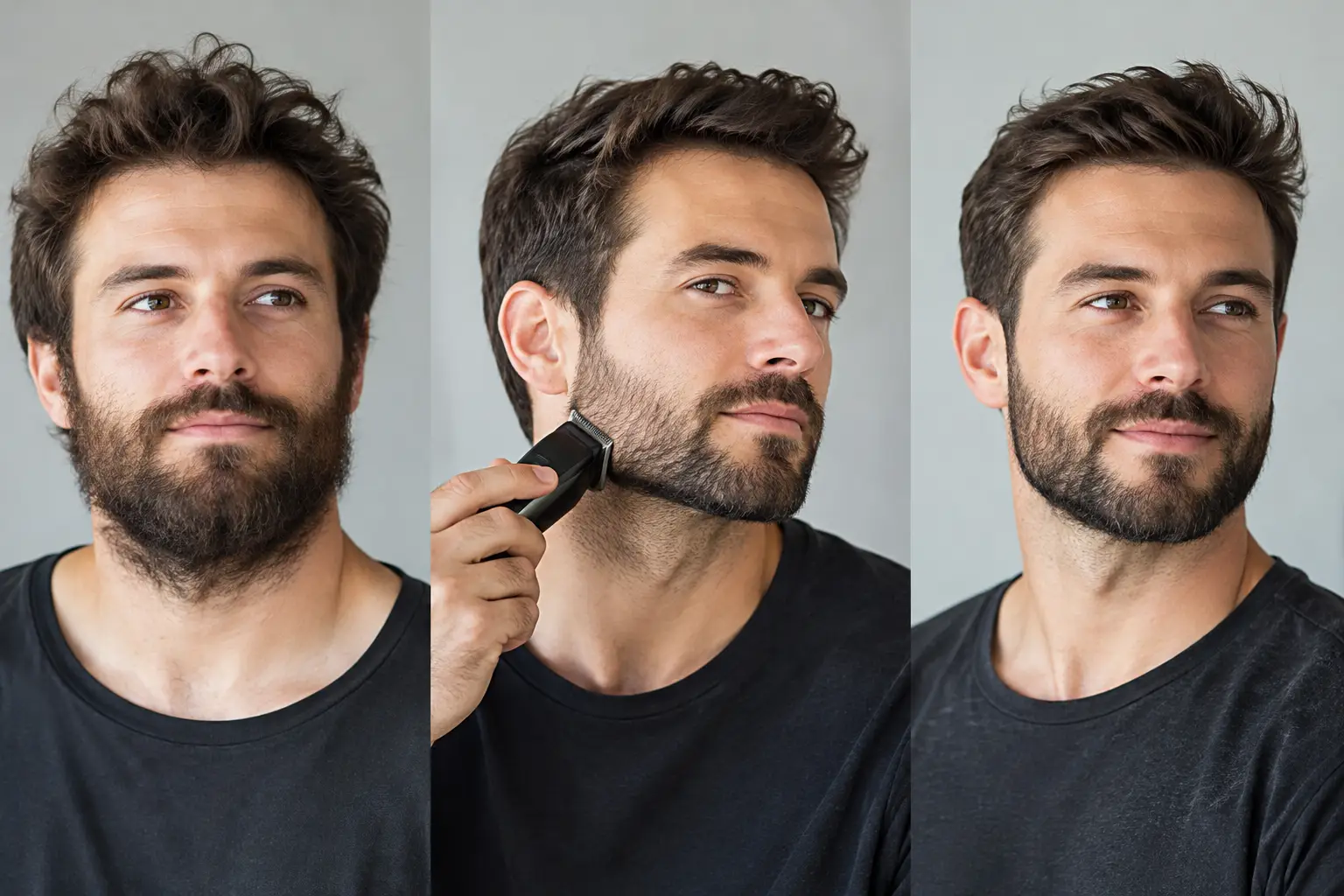
Beard work is highly visible, so small inaccuracies show quickly. A basic trim is ideal if the shape is already established and you need it cleaned up. A more involved beard service can include reshaping, contouring, hot towels and razor work around the cheeks and neck.
A traditional hot-towel shave is priced differently because it is a specialist treatment rather than a fast pass with a razor. Skin preparation, warm towels, luxury lather, controlled straight-razor technique and calming aftercare all take time. It is both precise grooming and a chance to slow down.
Maintenance appointments
Maintenance services are often the most efficient way to manage your grooming budget. A back-and-sides refresh or regular fade tidy-up costs less than allowing the shape to grow out and rebuilding it from scratch. If you prefer a consistently clean look, a scheduled four-week haircut can be better value than irregular, more extensive appointments.
That does not mean every client should book the shortest interval. Longer styles, softer tapers and natural beard growth can comfortably go longer between visits. The right rhythm depends on how quickly your hair grows, how sharp you want the finish to look and how much daily styling you are willing to do.
Why barber seniority changes the price
Many premium barbershops use a tiered team structure, with appointments available from junior barbers through to senior or master barbers. This gives clients a transparent choice rather than a one-price-fits-all approach.
A junior barber may offer an excellent option for straightforward cuts, regular maintenance and clients who want professional service at a more accessible price. They are also developing their craft within a structured team environment, often with support and mentoring from experienced colleagues.
A senior or master barber usually commands a higher price because of depth of experience, speed without rushing, advanced technical control and the ability to solve more complicated hair and beard challenges. This can be especially worthwhile for a major restyle, a difficult cowlick, a precise skin fade, longer scissor-led work or a first appointment where you want a clear grooming plan.
At Rogue Razor Barbershop, this tiered approach reflects a simple principle: clients should be able to choose the level of experience that suits the service, while every appointment remains focused on clean, confident results.
Price is not the same as value
The cheapest appointment is not always poor, and the highest price does not automatically guarantee the best haircut for you. Value comes from the fit between the barber, service and your expectations.
If you wear the same short cut every month and know exactly what works, a capable barber at an accessible tier may be the smart choice. If your hair has changed, you are preparing for an important event or you have never found a cut that complements your face properly, investing in a more experienced consultation can save money and frustration over time.
Consider the cost per wear, not only the appointment total. A haircut that grows out cleanly, remains easy to style and still looks good in week three delivers more value than a cheaper cut that loses its shape after a few days. The same principle applies to beard shaping: strong lines and a balanced silhouette can make your whole presentation look more considered.
What to check before you book
Transparent pricing should tell you what the appointment includes. Look for clear distinctions between haircuts, fade services, beard trims, shaves, student offers and maintenance visits. If a price list is vague, it is reasonable to ask what level of styling, finishing and consultation is included.
It also helps to match the booking to the actual work required. Booking a quick tidy-up when you need a full restyle can leave both you and the barber short on time. Conversely, booking an extensive service for a simple neck clean-up may not be necessary. Be honest about when you last had your hair cut, what you use at home and whether you want a subtle refinement or a noticeable change.
Bring reference images if they help, but use them as a starting point rather than a fixed blueprint. Different hair types, densities and head shapes affect the final result. A skilled barber will explain what can be recreated, what should be adapted and how to maintain the look between appointments.
Make your appointment work harder
The most cost-effective barber visit is one that supports your routine. Ask how often to return, which styling product suits your hair and how to recreate the finish at home. A small amount of expert advice can prevent drawers full of unsuitable products and the daily battle of trying to force your hair into a shape it does not want to hold.
For example, a matte clay may suit textured, controlled volume, while a pomade can offer a more polished finish with definition. Sea salt spray can help create movement before styling, and beard balm can soften facial hair while giving it a more disciplined shape. The right product is not an upsell when it genuinely helps your cut last and simplifies your morning routine.
Barber pricing makes most sense when you see the appointment as skilled maintenance for how you present yourself. Choose the service that matches the work required, book at an interval that keeps your style under control, and leave enough room for the details that make a good cut feel like your own signature style.
For a more professional advice or service
Book Online
at Rogue Razor Barbershop.