
The difference between leaving the chair feeling sharp and spending two weeks trying to style around a disappointing cut often comes down to how you communicate hairstyle preferences. A good barber brings technique, judgement and an eye for proportion. You bring the information that makes the cut yours: how you wear it, what you dislike, how much time you have each morning and where you want to go next.
This is not about knowing every technical term. It is about giving your barber a clear brief, then trusting the professional in front of you to shape that brief around your hair, head shape and lifestyle.
Start with the result you want
Before discussing guards, tapers or texture, describe the finished impression. Do you want something clean and corporate, relaxed and textured, deliberately bold, or as low-maintenance as possible? That first answer gives your barber a useful direction.
Be specific about the areas you notice most when you look in the mirror. You may like weight through the crown, a tighter profile around the ears, a stronger fringe, or a beard that looks more defined without appearing over-shaped. If you want to keep length, say where. “Short, but not too short” can mean very different things to different people. “Keep enough length on top to push back, with tidy sides that do not expose the scalp” is far more useful.
It also helps to say what you do not want. Perhaps a previous fade sat too high, the top was taken too short to style, or the neckline felt too severe. These details prevent familiar mistakes without forcing you to speak in barber jargon.
Bring photos, but use them properly
A reference photo is one of the quickest ways to communicate hairstyle preferences, particularly when you are changing your style or cannot easily describe a shape. Bring one or two images that show the front, side or back clearly. More than that can become confusing if every photo points in a different direction. If you are a new client looking for a new barber, images of you (selfies) with a haircut you liked or dislike can give clear guidelines as well.
The key is explaining what you like about the picture. It might be the soft transition in the fade, the movement on top, the length around the temples or the natural-looking neckline. Your barber can then separate the element you like from features that may not translate exactly.
Hair density, growth patterns, curl, cowlicks and head shape all matter. A cut that sits perfectly on someone with dense, straight hair may need a different approach on fine, wavy or receding hair. That is not a reason to abandon the reference. It is the point where professional consultation earns its place. The best outcome is often the same overall attitude, adjusted to suit your own hair.
Give the details that change the cut
Your daily routine is part of the design. Tell your barber whether you use a dryer, whether you train before work, wear a helmet, commute by bike or prefer to rinse and go. A high-volume style can look excellent, but it asks more of your morning than a cropped textured cut. Neither is better. The right choice depends on what you will genuinely maintain.
Mention how often you normally book in. A skin fade can look exceptionally clean, but its sharpest stage is short-lived and it suits clients who enjoy regular maintenance. A low taper or softly blended back and sides grows out with less contrast and may work better if you visit every four to six weeks.
Be open about thinning, a receding hairline or uneven growth. Experienced barbers see every variation of hair and can work with it confidently. Hiding a thin area usually makes it harder to create balance. A considered crop, a controlled amount of texture or keeping the fade lower can make the whole shape look stronger.
Speak up about your neckline and sideburns
These smaller details have a major effect on how polished a cut feels. Let your barber know whether you prefer a natural neckline or a crisp, squared finish, and whether you want sideburns blended into your beard, kept short, or left with more presence.
A hard outline can look fresh immediately after the appointment. A softer, natural finish may grow out more gracefully. This is a trade-off worth discussing, especially if you prefer longer gaps between visits.
Use simple barber language with confidence
You do not need to know every clipper guard to get a precise result. Still, a few clear phrases can make a consultation easier. A fade describes how the hair transitions from shorter at the bottom to longer above. Low, mid and high refer to where that transition begins. A taper is generally more restrained, concentrating the clean-up around the sideburns and nape while retaining more length elsewhere.
When talking about the top, focus on length and finish. Ask for texture if you want separation and movement. Ask for a softer, more natural look if you do not want obvious lines. If you like a slicker finish, say whether you want it combed back, parted or pushed slightly to one side.
Numbers can be useful if you already know what works for you, but they are not the whole brief. A number one on the sides can look very different depending on how high it is taken, how it blends into the top and how your hair grows. Rather than ordering a number alone, pair it with the visual result: “Keep the sides tight, but leave the blend low and natural.”
Ask for your barber’s recommendation
A premium cut should feel collaborative. Once you have explained your preference, ask what would work best with your face shape, hairline and texture. Your barber may recommend keeping more length at the corners to balance a narrower face, reducing bulk at the sides to sharpen a rounder profile, or avoiding a high fade that would make a receding hairline more prominent.
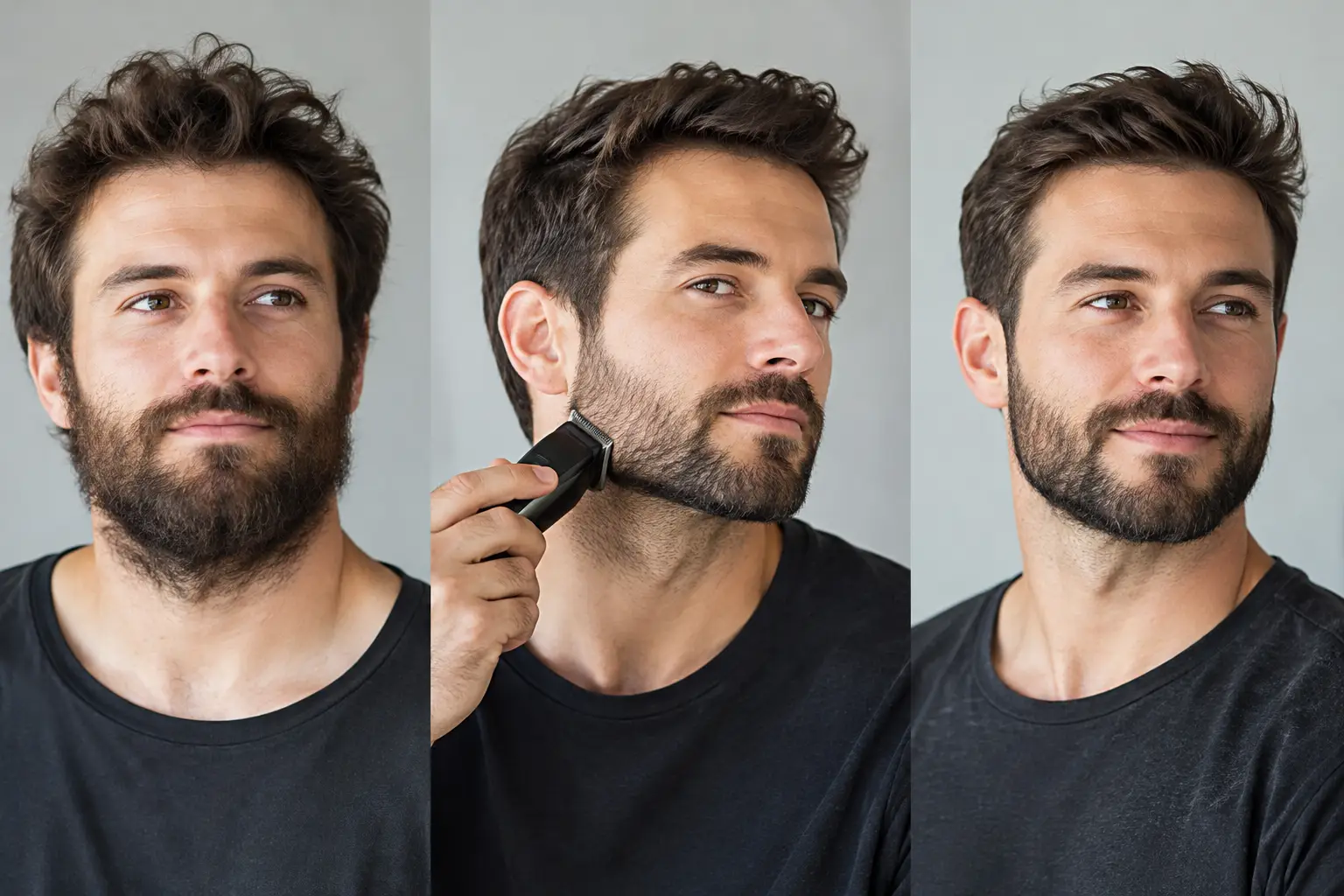
That advice is not a rejection of your idea. It is the refinement that turns an inspiration photo into a wearable signature style. The same applies to facial hair. A beard can add structure to the jaw, soften a stronger chin or create a more balanced transition from haircut to neckline. A skilled barber considers the complete frame, not just the hair above it.
At Rogue Razor, that consultation is treated as part of the service, not a formality before the clippers start. Precision is built through listening first, then using the right technique to create a finish that still looks right when you style it yourself.
Check in before the final details
Do not wait until the cape comes off to decide whether the cut is heading in the right direction. Your barber may pause to show the blend, ask about the length on top or check the shape in the mirror. Use those moments. If you would like the sides a touch tighter, more weight removed from the crown or the fringe left slightly longer, say so while there is time to make a small adjustment.
This does not mean directing every movement. It means being honest and respectful. A good barber wants you to leave confident, and clear feedback makes that easier. If you are unsure, ask to see how it will sit with product before deciding. Hair can look very different dry, styled and viewed from each angle.
Be realistic about styling products
The product used at the end should match the finish you want at home. A pomade gives shine and control for classic, combed styles. Clay offers a more matte, stronger hold for textured hair. Sea salt spray can create lift and a relaxed, lived-in feel, while powder adds root volume without making the hair look heavy.
Ask how much to use and how to apply it. Most men use more product than they need, which can flatten fine hair or make a textured cut look stiff. Start small, warm the product through your hands and build only if required. The right product is not an extra detail. It is what helps the cut hold its intended shape between appointments.
Build on each appointment
The best barber-client relationships improve over time. At your next visit, explain how the cut behaved after a week or two. Did the fringe fall forward too easily? Did the crown become bulky? Did the fade grow out exactly as you hoped? This feedback is more valuable than a vague “same again”, because it helps refine the cut around your real routine.
If you do want the same result, say what made it work. Perhaps the top was easy to style, the beard line felt clean without looking harsh, or the sides stayed tidy for longer than usual. Your barber can note those details and deliver greater consistency each time.
A sharp haircut does not begin with the first pass of the clippers. It begins with a straightforward conversation, a realistic expectation and the confidence to say what feels right for you. Bring the reference, share the practical details and leave room for expert judgement. That is how a good cut becomes your cut.
For a more professional advice or service
Book Online
at Rogue Razor Barbershop.