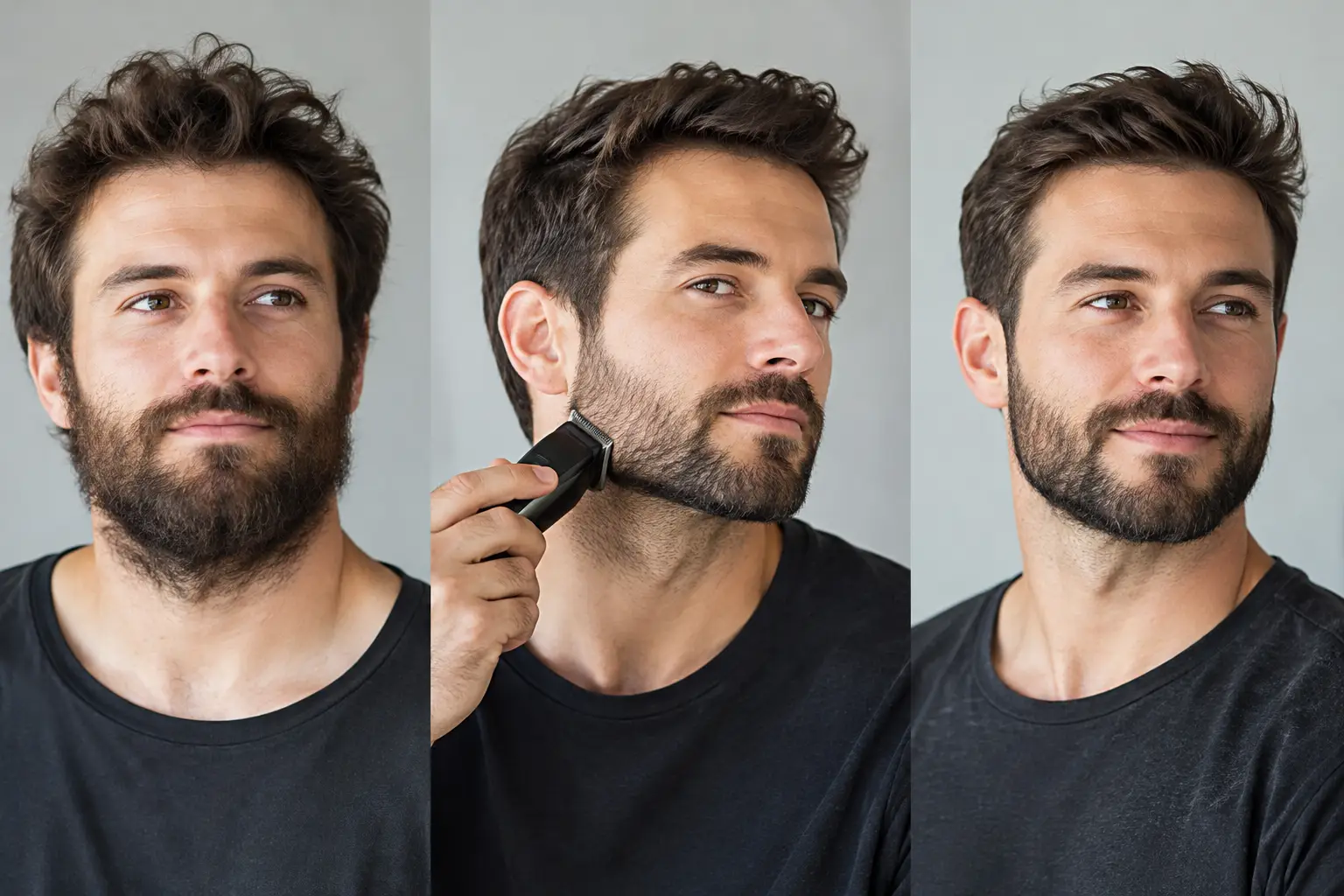

A sharp haircut rarely begins with the first pass of the clippers. It begins with barber consultations: the few focused minutes where your barber reads your hair, listens to your routine and turns a reference image (picture speaks a thousand words) or rough idea into a style that works in real life. Get this part right and the result will look considered on the day, then continue to sit well as it grows out.
For a clean fade, a tailored beard or a complete restyle, the consultation is not small talk before the service. It is skilled preparation. Your barber is assessing density, growth patterns, face structure and head shape, while also working out how much maintenance genuinely suits your week.
Why barber consultations make the difference
A haircut can look excellent in the chair and still feel wrong three days later. Often, the issue is not technique. It is that the cut was designed around a photo rather than the person wearing it. Don’t get me wrong a photo can be an excellent starting point. Especially since barber / hair stylists and their clients usually do not speak the same technical language when it comes to hairstyles.
Your hairline may sit differently from the model’s in the picture. Your crown may push hair in a direction that needs to be worked with, not fought. You may have thick hair that expands as it dries, or finer hair that needs structure without being taken too short. A strong consultation brings those details into the decision before they become problems in the mirror.
It also sets realistic expectations. A high skin fade with a heavily textured top can be a great look, but it asks for regular maintenance and purposeful styling. If you prefer to spend two minutes getting ready before work, a more natural taper or a textured crop may give you more value between appointments. There is no single best haircut – there is a best haircut for your hair, face, style and routine.
At Rogue Razor Barbershop, this is where traditional barbering knowledge meets modern style. The aim is not to place the latest trend on every client. It is to deliver a fresh cut that makes sense from every angle.
What a skilled barber is looking for
A professional consultation involves more than asking, “What are we doing today?” Your barber will look at the foundations that determine how a cut should be built.
Hair type, density and direction
Straight, wavy and curly hair all respond differently to length, layering and product. Dense hair can carry weight and strong shape, but it may need careful removal to avoid a helmet-like finish. Fine hair can benefit from texture and controlled volume, although over-thinning can make it appear weaker.
Growth direction matters just as much. Cowlicks at the fringe or crown are not faults to hide with brute force. They are features to account for. Sometimes leaving a little extra length gives the hair enough weight to settle; in other cases, going deliberately shorter is the cleaner option. An experienced barber will explain the trade-off rather than promise an unrealistic result.
Head shape and face structure
The right silhouette can bring balance to the whole look. Height through the top can add length to a rounder face, while a softer shape may suit a longer face. A tight fade can sharpen the profile, but the placement matters. Taking the blend too high can make the head appear narrower or create a harsh contrast that does not suit the intended style.
This is also why a buzz cut deserves a consultation. It may look simple, yet the grade, the finish around the hairline and the balance between beard and scalp make a visible difference. With a head shave, the consultation should include skin condition, sensitivity and aftercare, especially if you are moving from longer hair to a clean-shaven finish.
Beard growth and facial balance
A beard trim is not merely about making every edge as sharp as possible. Your barber will consider density across the cheeks, the natural neckline, jaw definition and how the beard connects with the haircut. A strong line can create impact, but a line placed too high or too low can look unnatural as soon as it grows in.
For some clients, a shorter beard with clean cheek lines creates the most polished result. For others, leaving controlled fullness at the chin gives the face more balance. The right shape is personal, and it should work whether you are in a meeting, on a night out or simply halfway through a busy week.
How to come prepared without overthinking it
You do not need barber vocabulary to have a useful consultation. A clear idea of what you like, what you dislike and what you can maintain is more valuable than trying to request a technical formula.
If you have a reference photo, bring it. Better still, bring two or three images that show what you are drawn to, even if they are not identical. Your barber can identify the common thread: perhaps it is the low taper, the natural texture, the fuller beard or the clean neckline. Be open to adjustments if the person in the image has a different hair type or face shape. A reference is a direction, not a blueprint.
It helps to be honest about these practical points: how often you want to visit the barbershop, whether you use styling product, how your hair behaves after a shower, and whether your workplace has a conservative dress code. Tell your barber if you wear glasses, cycle in a helmet, train most days or need a style that can move from office to evening without a full reset.
For a significant change, say so clearly. “I want it shorter” can mean anything from a centimetre off to a complete transformation. Use your hands to show where you want length retained, and explain what feels too short to you. Your barber can then translate that preference into the right guard length, blend and scissor work.
The questions worth asking in the chair
Good barbers welcome questions because they lead to better results. If you are unsure, ask whether the proposed fade should sit low, mid or high, and what difference that placement will make to the final shape. Ask how the style will grow out, particularly if you are booking around a holiday, event or a busy period at work.
You can also ask what product suits the finish you want. The answer depends on the look and your hair. A matte clay may give grip and separation for shorter textured styles; a pomade can bring cleaner definition and controlled shine; sea salt spray can add lived-in movement before blow-drying. The goal is not to leave with a shelf of products. It is to understand one or two that make styling at home straightforward.
If you are growing your hair, be specific about the destination. Growing it out does not mean avoiding the barber for months. Regular shape-ups can keep the neckline, sideburns and bulk under control while protecting the length you need. Your barber can explain where not to cut, where to clean up and when the next appointment will keep the process looking intentional.
Consultation mistakes that lead to disappointing cuts
The most common mistake is staying quiet because you do not want to sound difficult. If the mirror is turned and you feel the fade is higher than expected, speak up early and politely. A barber can refine the work while there is still length to work with. Waiting until the end makes a solution harder.
Another is asking for a style without mentioning your normal routine. A carefully blow-dried finish may look excellent, but if you never use a dryer and prefer a quick shower-and-go morning, the consultation should steer towards a shape that performs with less effort.
Finally, avoid treating every visit as a reset. Consistency is one of the advantages of seeing the same barber. Mention what worked last time, what grew out well and what you would change. Over several appointments, your barber builds a more precise understanding of your hair and your preferred finish.
Make the finish last after you leave
The consultation should continue through the final styling. Watch how your barber applies product, where they create volume and which direction they work the hair. Ask them to show you the movement rather than simply tell you. A 30-second demonstration can save weeks of guessing at home.
For beard care, ask how to maintain the lines without taking too much away. A quality beard balm can condition the hair and keep it sitting neatly, but the amount matters. Start small, warm it through your hands and work it evenly from the skin outwards. With shorter styles, a little product is usually enough. Too much can flatten texture or make the hair look heavy.
The best barber consultation leaves you with more than a clean fade, precise beard trim or smooth hot-towel shave. You leave knowing why the shape suits you, how to handle it tomorrow morning and when to return before it loses its edge. That knowledge turns regular grooming into a reliable part of how you show up.
For a more professional advice or service
Book Online
at Rogue Razor Barbershop.