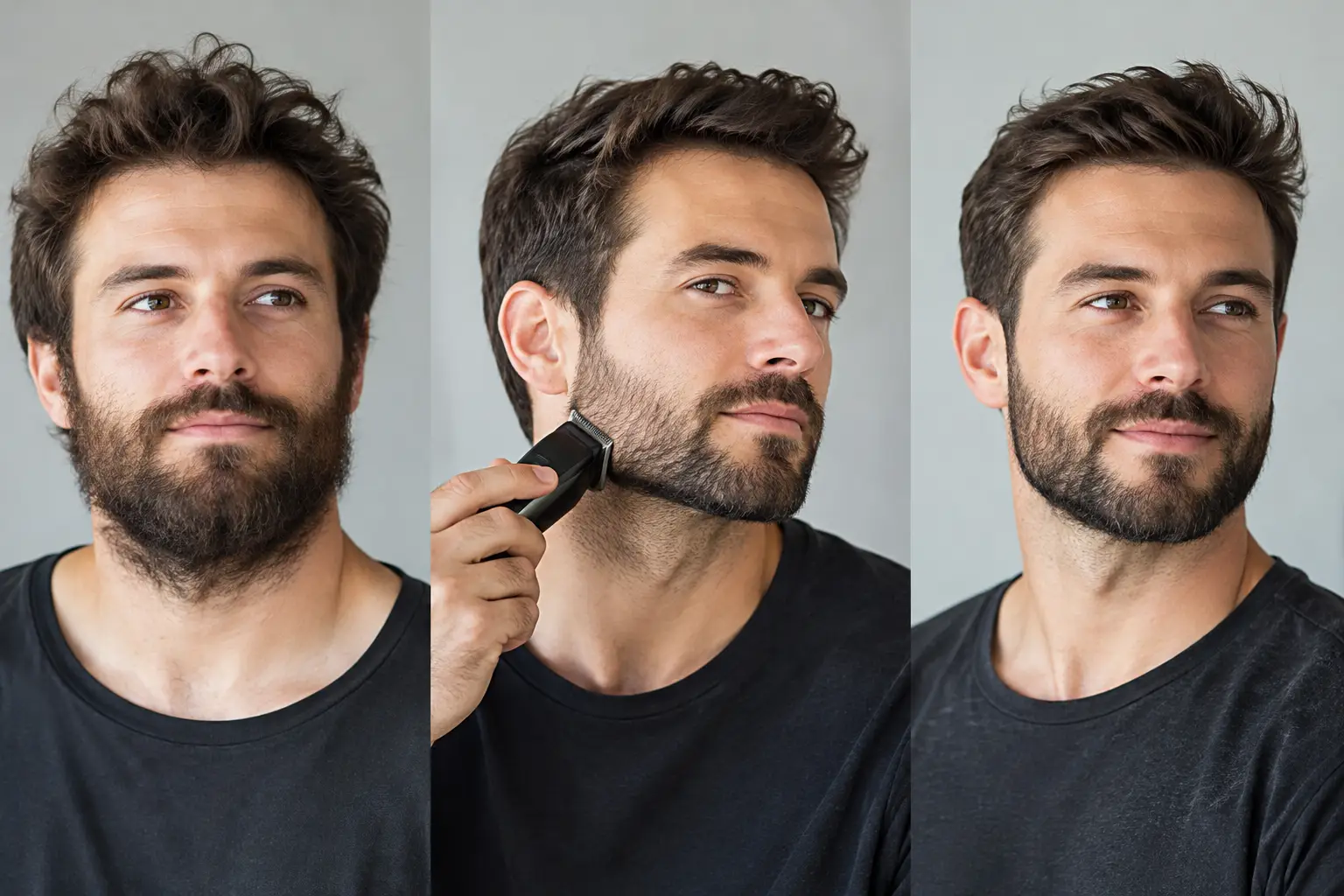

A professional haircut should still look intentional at 6pm, not just when you leave the barber’s chair. The best professional men’s hairstyles balance clean lines, natural movement and enough character to feel like your own. Whether your workday means client meetings, a studio, a lecture hall or a smart evening out, the right cut gives you a sharper starting point.
What makes a hairstyle look professional?
Professional does not have to mean flat, severe or old-fashioned. It usually comes down to proportion, condition and maintenance. The sides should support the shape on top, the neckline and sideburns need a considered finish, and the styling should suit how your hair naturally behaves.
A strong cut also works with your face shape rather than fighting it. Height through the fringe can lengthen a rounder face, while softer texture can take the edge off a very angular jaw. Thick hair may need weight removed so it sits cleanly; fine hair often benefits from a shorter, more structured silhouette.
The real test is practical: can you recreate the finish in a few minutes on a weekday morning? A skilled barber will factor in your growth pattern, hair density, beard and usual routine before recommending a direction.
12 best professional men’s hairstyles, chosen properly
1. The classic side part
The side part remains one of the most dependable choices for a polished appearance. It has a clean, controlled shape, yet can be worn with a subtle taper rather than an overly formal finish. It suits straight to wavy hair and works particularly well when you want structure without looking over-styled.
Use a light pomade for a neat sheen, or a matte paste for a softer, current result. Keep the part natural rather than carved too hard, especially if your hair does not separate there on its own.
2. The textured crop
A textured crop is practical, modern and far more versatile than its short length suggests. The top is worked into broken texture, with the fringe worn forward or slightly lifted. It is an excellent professional option for men with thick hair, a receding hairline or limited time for styling.
Ask for enough length through the top to create movement. A dry finish with a small amount of powdered wax or clay keeps it controlled without making the hair look stiff.
3. The low taper with a natural top
For men who want a fresh cut that does not announce itself from across the room, the low taper is hard to beat. The hair gradually tightens around the sideburns and nape while leaving more fullness through the sides. Paired with a natural, textured top, it looks considered in almost every professional setting.
This is also a useful choice if you are growing out a previous fade. It keeps the outline clean while allowing the rest of the hair to retain a softer shape.
4. The modern quiff
The quiff creates lift at the front, which can add length and balance to round or wider face shapes. The key to keeping it professional is restraint. A modest elevation, tapered sides and a touchable finish feel sharp; excessive height and heavy shine can tip into costume.
Blow-dry the front upwards and back before applying a lightweight paste. Men with very fine hair may prefer a pre-styling sea salt spray for grip, while dense hair generally needs less product than expected.
5. The Ivy League
The Ivy League is a refined short back and sides with enough length on top to part, brush up or sweep over. It is ideal for men who prefer classic barbering but do not want the commitment of a very short crop. The result is tidy, flexible and easy to dress up.
It especially suits straight or gently wavy hair. Maintenance matters here: regular neck clean-ups and a trim every three to five weeks keep the proportions crisp.
6. The short pompadour
A short pompadour has the confidence of a traditional style with a more wearable modern scale. It is styled back and slightly up, with the sides kept neat through a taper or low fade. The extra length at the front offers presence without sacrificing a professional edge.
This cut is best for hair with some density. If your hair is very fine, a flatter side part or textured crop may hold its shape more convincingly throughout the day.
7. The French crop
A French crop is defined by its forward texture and short fringe. It makes an excellent choice when you want to minimise styling time, soften a high forehead or manage hair that grows in multiple directions. The finish can be clean and understated or more textured, depending on the amount of length left through the top.
Avoid making the fringe too blunt unless it suits your features. A barber can break it up with point cutting so it looks natural rather than heavy.
8. The slick back with taper
A slick back can look exceptionally professional when the cut is balanced and the product is used with a light hand. Rather than flattening every strand, aim for controlled direction and a little natural volume at the crown. A taper at the temples and neckline keeps the style current.
It is most successful on medium-length hair that can already be brushed backwards comfortably. If you are growing into this style, expect an in-between phase and book regular shaping appointments to keep it looking purposeful.
9. The mid fade with textured top
The mid fade creates a sharper contrast than a taper, but it can still look polished when the blend is precise and the top remains wearable. It is a strong option for men who like a cleaner, more defined profile and are willing to maintain it regularly.
The trade-off is upkeep. A fade loses its impact as it grows, so a back-and-sides refresh every two to three weeks will keep the finish clean. Leave enough texture on top to avoid a harsh, overly uniform look.
10. The business buzz cut
A buzz cut is direct, masculine and surprisingly dependent on detail. The right guard lengths should account for head shape, hair density and any areas that grow unevenly. A well-executed fade or taper at the edges gives the cut dimension and stops it looking like an afterthought.
This is a practical choice for active routines, thinning hair or men who simply prefer low maintenance. It also puts more focus on skin and facial hair, so a tidy beard line or clean shave becomes part of the overall look.
11. Medium-length layered hair
Professional hair does not have to be short. Medium-length layers can look confident and refined, particularly on naturally wavy or thick hair. The shape needs to be cut deliberately so it falls away from the face and does not build too much weight around the ears and neckline.
Use a small amount of styling cream or sea salt spray and let the hair move. This works well in creative workplaces, but it still needs regular clean-up appointments to retain its shape.
12. The curly taper
Natural curls look their best when the silhouette is controlled without removing their character. A curly taper keeps the perimeter neat while leaving enough length on top for definition and volume. It is a polished choice that respects texture rather than forcing it into a style designed for straight hair.
Moisture is essential. Apply product to damp hair, avoid brushing curls dry, and ask your barber to shape the cut according to how your curls sit once fully dry.
Match the cut to your maintenance level
The most flattering style is not always the one you can realistically maintain. A tight fade, precise side part and short pompadour reward regular appointments and daily styling. A textured crop, buzz cut or soft taper usually gives you more breathing room between visits.
Be honest about how much time you want to spend in front of the mirror. Two minutes and a matte clay may be perfect for one man; another enjoys blow-drying and styling a quiff every morning. Both can look professional when the haircut is designed around that routine.
At Rogue Razor Barbershop, the consultation is where a good style becomes your signature style. A barber should assess the details that photographs cannot show: cowlicks, hairline movement, density, beard balance and the way you wear your glasses. That professional judgement is what makes a cut grow out well.
Finish matters as much as the haircut
Choose product according to the finish you want, not the strongest hold on the shelf. Pomade gives controlled definition and shine. Heavy clay creates a firm matte hold for textured, shorter styles. Construction paste offers adaptable movement, while a sea salt spray can give finer hair more grip before blow-drying.
Start with less than you think you need, warm it thoroughly between your palms, then build only where necessary. Product concentrated at the roots can make hair collapse or look greasy, particularly during a long working day. The goal is hair that looks groomed, not coated.
A sharp haircut is a quiet advantage: it frames your face, supports your personal style and makes getting ready feel effortless. Choose the cut that suits your hair and your life, then give it the regular attention that keeps it looking its best.
For a more professional advice or service
Book Online
at Rogue Razor Barbershop.