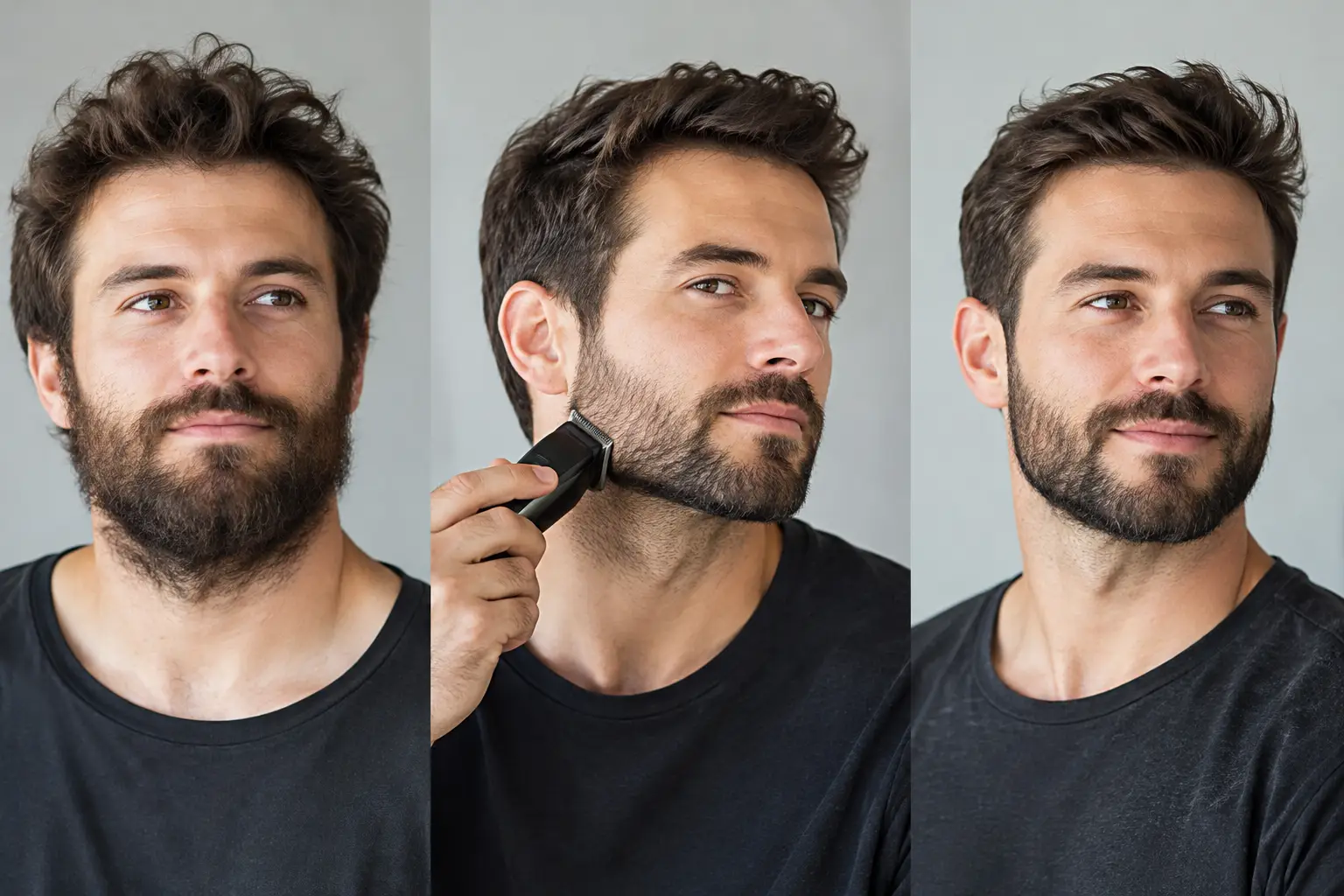

A sharp haircut is rarely about choosing a trend. It is about choosing the right balance of structure, proportion and maintenance for your head shape, hair type and daily routine. In the fade vs taper conversation, both cuts can look clean, modern and expertly finished, but they create a very different impression from the chair to the fourth week of growth.
The best choice is not necessarily the one with the shortest sides or the strongest contrast. It is the one that makes your style feel intentional every morning, works with the texture you have, and still looks considered between appointments.
Fade vs Taper: The Essential Difference
A fade blends the hair progressively shorter down the sides and back, often finishing very close to the skin. The transition can be subtle or dramatic, depending on where the fade begins and how much contrast is left between the top and sides. A clean fade puts definition around the head and gives almost any style a fresher, more sculpted edge.
A taper also shortens gradually, but it is usually more restrained. The barber concentrates the graduation around the sideburns and neckline, while retaining more length through the sides and back. Rather than removing most of the weight, a taper cleans the perimeter and lets the haircut keep a more natural shape.
Think of it this way: a fade is a stronger statement of contrast; a taper is a refined adjustment of shape. Both require technical control. The difference lies in how much scalp exposure, weight removal and visual sharpness you want.
What a Fade Does for Your Look
A fade creates immediate definition. It can sharpen a softer jawline, make a textured crop feel more deliberate, and bring a modern finish to curls, waves, quiffs and slicked-back styles. Because the sides become progressively tighter, the hair on top appears fuller by comparison.
The height matters. A low fade starts close to the ear and follows a lower line around the head. It is a strong option if you want a clean result without taking the fade too high. It tends to suit men who want a polished haircut that remains versatile for work, evenings and weekends.
A mid fade rises further into the sides, creating more contrast and a more noticeable profile. It works particularly well with textured tops, short pompadours and styles that need a little lift. A high fade removes weight higher up the head and delivers the boldest result. It can look exceptional with the right head shape and top length, but it is less forgiving once it starts to grow out.
There is also the skin fade, sometimes called a bald fade. This takes the shortest section down to skin for an exceptionally crisp finish. It is precise, striking and popular for good reason, but it asks more of your maintenance schedule. Within two to three weeks, fresh growth can soften the effect considerably.
A fade is not automatically the right move for every client. If your hair grows unevenly at the sides, you have pronounced cowlicks, or you prefer a longer, more classic silhouette, taking the blend too high may expose areas you would rather keep balanced. A skilled barber reads those details before the clippers come out.
What a Taper Does for Your Look
A taper is built for understated polish. It keeps enough hair on the sides to maintain natural density, while cleaning the temples, sideburns and nape. The result can be smart and controlled without looking overly severe.
This makes the taper a reliable choice for men who want their cut to grow out gracefully. You still receive that freshly groomed feeling around the edges, but the overall shape does not change as dramatically after a couple of weeks. If you wear your hair medium length, part it to one side, keep loose curls, or prefer a scissor-led style, a taper often gives the right amount of discipline without stripping away character.
A classic taper can also make fine hair look more substantial. Where a high fade might create too much contrast between the top and sides, retaining length allows the whole haircut to feel fuller. For thicker hair, the taper can remove bulk at the neckline and temples while preserving a strong, masculine outline.
It is often described as the more traditional option, but that does not mean dated. With a sharp neckline, well-shaped sideburns and styling suited to the texture, a taper can look every bit as current as a fade. Its strength is versatility.
Choosing by Face Shape and Hair Type
Your barber should never treat a fade or taper as a one-size-fits-all request. The same cut can look entirely different on two clients because density, hairline, crown pattern and face structure all change the final result.
If your face is rounder, some height and texture on top combined with a controlled fade can create a more elongated profile. A very high fade is not always necessary – a low or mid fade may give enough shape while keeping the haircut balanced. For longer or narrower faces, retaining more width at the sides with a taper can prevent the cut from looking too stretched.
Men with strong curls often benefit from a low fade or taper that respects the natural movement above it. Taking the blend too high can make curls sit awkwardly or leave the shape looking top-heavy. Straight, dense hair can carry a cleaner, more graphic fade well, especially when paired with a crop, textured fringe or precise side part.
Hairline matters too. A receding temple does not rule out a fade, but the blend should be placed with care. An aggressive high fade can pull attention towards the corners, whereas a low taper or low fade may frame the hairline more naturally. The right haircut does not try to disguise everything. It works with what is there and makes it look purposeful.
Maintenance: The Decision Most Men Miss
The cleanest fade is a commitment. If you like that just-cut sharpness, plan on seeing your barber every two to three weeks. A back-and-sides refresh can keep the silhouette crisp without changing the length on top. This is particularly useful if your schedule demands a consistently polished appearance.
A taper generally gives you more time. Many clients can go three to five weeks before the shape needs attention, depending on hair growth and how precise they like the neckline. It is the practical choice for someone who wants a professional finish but does not need a close-clipped look every week.
Neither approach is better in isolation. A fade rewards regular maintenance with impact. A taper rewards patience with a softer, longer-lasting shape. Be honest about how often you will actually book in, rather than choosing a cut that only looks right for the first ten days.
Styling Makes the Cut Work Harder
A fade puts the focus on the top, so your styling product should support the finish you want. For short textured hair, a matte clay or powdered wax can add separation without shine. For a structured side part or classic quiff, a quality pomade gives control and a more polished surface. Use a small amount first, then build only where needed. Heavy product can flatten fine hair and hide the texture your haircut was designed to show.
With a taper, styling can be more relaxed. A sea salt spray can bring movement to medium-length hair, while a light paste gives natural hold without turning a softer shape into something rigid. The aim is not to make the cut look overworked. It is to keep the proportions your barber created visible.
At Rogue Razor Barbershop, the consultation is where the detail starts: how you wear your hair, how quickly it grows, whether you style it daily, and how sharp you want it to look between visits. Those answers matter more than simply pointing to a photo.
How to Ask Your Barber for the Right Cut
Bring a reference image if it helps, but explain what you like about it. Is it the low blend, the textured top, the clean neckline, or the fact that it looks easy to maintain? A photograph shows a finish; your barber needs to understand the result you want on your own hair.
For a fade, say where you want it to sit – low, mid or high – and whether you want skin showing at the shortest point. For a taper, mention how much length you want to retain around the ears and back. If you are unsure, ask for a conservative first cut. It is always easier to take more away than to wait for it to grow back.
The strongest haircut is the one that feels like you, only sharper. Choose the fade when you want clean contrast and regular precision. Choose the taper when you want controlled shape with a more natural grow-out. Then give your barber the detail they need to make it yours.