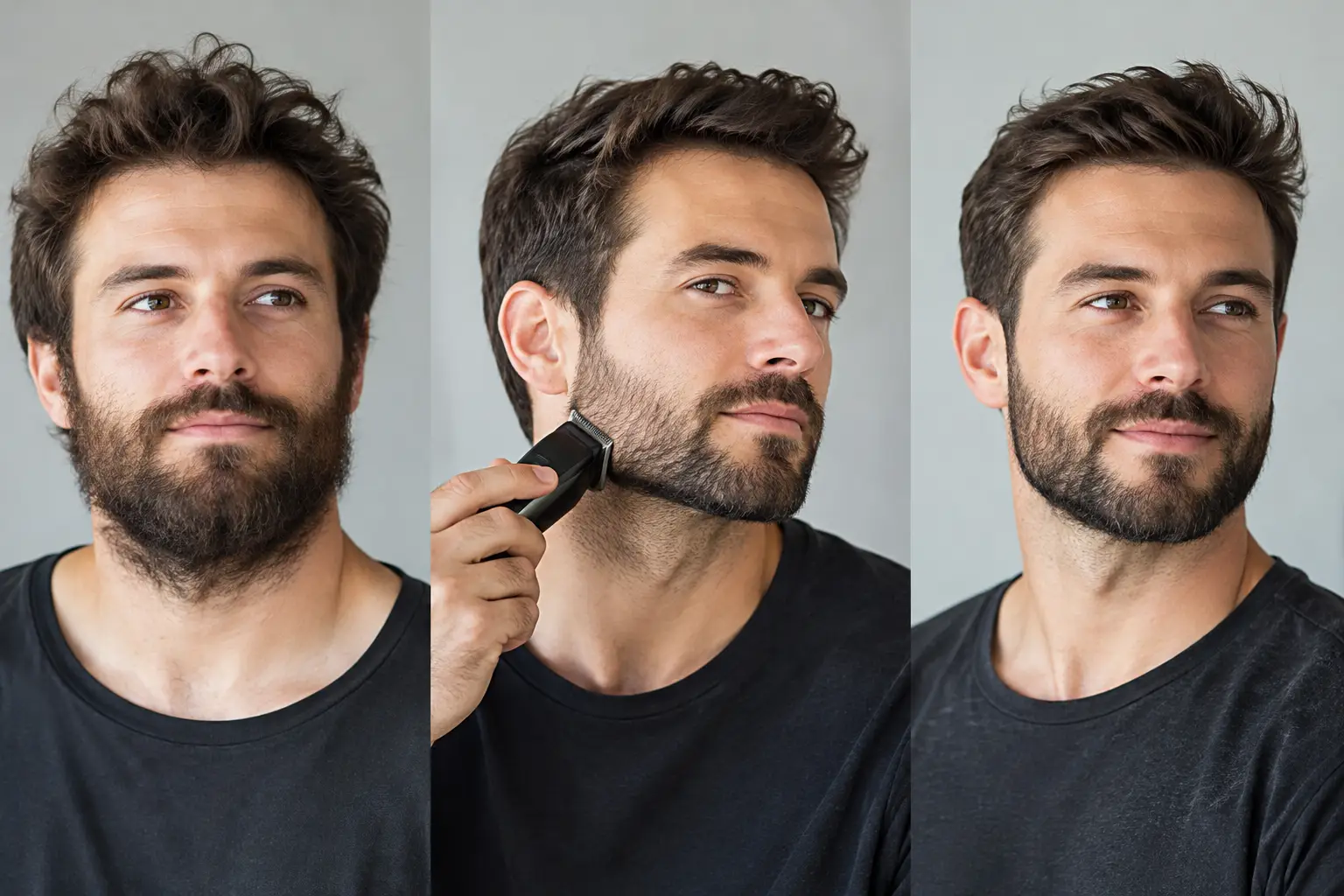
One side sits heavier, the fringe looks shorter than you asked for, or a fade has a visible step where there should be a clean blend. The first question is usually: can barbers fix uneven haircuts without making them much shorter? In many cases, yes. A skilled barber can rebalance the shape, soften harsh weight lines and bring the cut back into proportion. The right fix, however, depends on what is uneven, how much length is available and where your hair naturally grows.
A corrective haircut is not about hiding a mistake with more clippers. It is about reading the head shape, density, growth patterns and existing haircut before making a precise plan. Sometimes that plan produces an immediate fresh cut. Sometimes the sharpest move is a small adjustment now, followed by a tidy maintenance appointment once the shorter area has gained enough length.
Can barbers fix uneven haircuts without starting over?
Usually, an uneven cut does not need to be completely restarted. Hair rarely grows or sits identically on both sides of the head, which means a barber is already working with natural differences before any previous cutting errors are considered. The aim is visual balance, not necessarily matching every hair to the exact same measured length.
If one side has been cut too high, a barber may use the fuller side to create a more considered transition rather than taking both sides drastically shorter. If the top is uneven, point cutting and controlled texturising can remove bulk from longer sections while retaining as much usable length as possible. For a fringe that feels crooked, the barber will assess how it falls when dry and in your usual styling position, rather than simply cutting a straight line across it.
There are limits. Hair that has been taken very short in one isolated area cannot be added back. A dramatic bald patch, an aggressively high skin fade or a fringe cut far above its natural resting point may require time to grow out. Even then, an experienced barber can often make the situation look intentional by reshaping the surrounding cut and choosing a style that works with the available length.
What a barber checks before correcting the cut
The best correction starts with consultation, not clippers. Your barber should look at the haircut from every angle, including the back, crown, temples and hairline. A cut can appear uneven because of poor blending, but it can also look off because of a crown that pushes hair in two directions, a stronger recession on one side, or a parting that has been forced against its natural movement.
Head shape matters too. A flat area near the occipital bone can make one side of a fade look darker. A prominent temple can make a line-up appear asymmetrical when it has actually followed the natural hairline. Good barbering accounts for these realities instead of chasing perfect geometry that may look unnatural once you leave the chair.
Hair type changes the approach. Straight, fine hair reveals every line and uneven edge, so it demands careful blending and restrained texturising. Thick hair can hold unwanted weight, making one side appear wider even when the lengths match. Curly or coiled hair can shrink differently across the head, so a barber needs to judge the finished shape rather than relying only on wet length.
The difference between uneven length and uneven shape
This distinction matters. Uneven length may mean one side genuinely has more hair than the other. Uneven shape means the lengths may be similar, but the silhouette is unbalanced. For example, a heavy corner above one ear can make a haircut look lopsided even when the guard length is the same on both sides.
Shape is often easier to fix. Strategic clipper-over-comb work, scissor refinement and careful detailing around the temples can restore balance without sacrificing the style you wanted. A barber can also correct visual imbalance by adjusting weight distribution, particularly in classic short-back-and-sides cuts, textured crops and longer swept styles.
Common uneven haircut problems and how they are corrected
A poorly blended fade is one of the most fixable issues. If there is a dark band between lengths, the barber can work through the transition using the right guards, lever positions and detail work to create a cleaner graduation. The caveat is that blending usually means removing some hair from the darker area, so the finished fade may sit a little higher or look tighter than originally planned.
Uneven sideburns and neckline work are also straightforward in most cases. A barber will establish balanced reference points based on your ears, jawline and natural hairline. The goal is a sharp, wearable finish, not a ruler-straight line that ignores facial asymmetry.
A patchy or uneven beard can often be improved through shape rather than length alone. Bringing the cheek line, neckline and sideburn connection into proportion creates a stronger frame for the face. If one area grows less densely, keeping the beard slightly shorter can make the overall finish look fuller and more consistent.
An uneven top requires more judgement. If it is simply too bulky on one side, the correction can be subtle and immediate. If a section has been cut noticeably shorter, the barber may soften the longer side, introduce texture or change the direction of the style to reduce contrast. Products can help here: a matte clay or powdered wax can create separation in short textured hair, while a sea salt spray can give a longer style natural movement without exposing every minor variation.
When waiting is the smarter option
Not every cut should be aggressively corrected on the same day. If the hair is already too short around the crown, temple or fringe, chasing symmetry can turn a temporary issue into a haircut that is much shorter than you feel comfortable wearing.
In these cases, the barber may clean up the obvious problem areas, give the style a deliberate shape and set a realistic regrowth plan. Hair grows at different rates for different people, but a couple of weeks can make a meaningful difference in a short cut. A back-and-sides tidy-up may then keep the overall look clean while the area that needs length catches up.
This is where honesty matters. A barber who promises to make every uneven haircut perfect in one sitting is not giving you the full picture. The better promise is a correction that respects your current length, your preferred style and how quickly you need to look sharp.
How to prepare for a haircut correction
Arrive with your hair clean and close to how you normally wear it. If you use styling product every day, either wash it out beforehand or tell the barber exactly what you have in it. Heavy product can disguise natural movement and make it harder to judge the true shape.
Explain what you dislike in practical terms. Rather than saying only that it looks wrong, point out whether the concern is the fringe, one side above the ear, the blend, the crown or the neckline. If there is a photo of the haircut just after it was done, or a reference image of the result you wanted, bring it along. It gives your barber useful context, although the correction still needs to suit your own hair and head shape.
Try not to trim it yourself first. A quick attempt to level one side with home clippers can remove the very length a professional needs to work with. Leave the evidence in place. It gives the barber the clearest route to a controlled correction.
Choosing the right style after a correction
A correction is also a chance to reassess whether the original style truly suits your routine. High-maintenance skin fades need regular appointments to stay crisp. Longer textured tops offer more flexibility but require the right styling technique. A classic taper can be more forgiving as it grows, especially if your hair has strong growth patterns around the crown or temples.
At Rogue Razor Barbershop, a proper consultation considers more than the immediate problem. The focus is on building a clean, confident style that works with your face structure, your hair behaviour and the time you want to spend maintaining it. Precision matters most when the haircut is growing out, not only when you first see it under the chair lights.
If your haircut feels uneven, act before frustration leads to a DIY fix. A calm assessment and a pair of experienced hands can often turn an awkward cut into something that looks purposeful, refined and ready for the week ahead.
For a more professional advice or service
Book Online
at Rogue Razor Barbershop.