A master barber experience is not simply a more expensive haircut. It is the difference between leaving with a style that looks good for an hour and walking out with a cut that suits your head shape, works with your natural growth pattern and still holds its line weeks later. The detail is visible in the mirror, but the real craft begins long before the first section is cut.
For men who value a clean fade, a controlled beard or a sharp professional finish, the right barber is not a luxury for special occasions. It is a reliable part of looking put together. A master-level appointment brings trained judgement to the details that make a haircut feel personal rather than standard.
What Defines a Master Barber Experience?
Experience changes how a barber sees your hair. A master barber does not treat a photo reference as a fixed instruction. They read the direction of your growth, the density around the crown, the shape of your temples and the balance of your face before deciding how closely to follow it.
That matters because the same fade or textured crop can look completely different from one person to the next. A high skin fade may sharpen a strong jawline, while a lower, softer blend can create better proportion for a longer face. Thick hair may need weight removed without being thinned into fluff. Fine hair often needs a cut that creates structure and movement without exposing the scalp.
This is where technical experience meets honest advice. Sometimes the best result is the style you arrived asking for. Sometimes it is a refined version that will grow out better, suit your routine and be easier to recreate on a busy morning.
Consultation Is Part of the Service
A proper consultation should feel focused, not drawn out. Your barber needs to understand what has worked for you, what has not, how often you are willing to style your hair and whether your job or lifestyle calls for a polished or more relaxed finish.
Be clear about the practical points. Tell your barber whether you wear a helmet, train regularly, prefer a quick routine or use styling products already. Mention any awkward cowlicks, a receding hairline, sensitive skin or beard areas that grow unevenly. These are not minor details. They shape the technique and the final result.
A skilled barber should also explain the plan in straightforward terms. You should know whether the fade will sit high, mid or low, how much length is coming off the top and what will happen around the neckline and beard. Good communication avoids surprises and gives you confidence in the chair.
Precision Is Built in Stages
Clean barbering rarely comes from rushing. It comes from working in deliberate stages: establishing the shape, building the blend, checking the balance, refining the lines and finishing the style. The final ten minutes are often where a good haircut becomes a precise one.
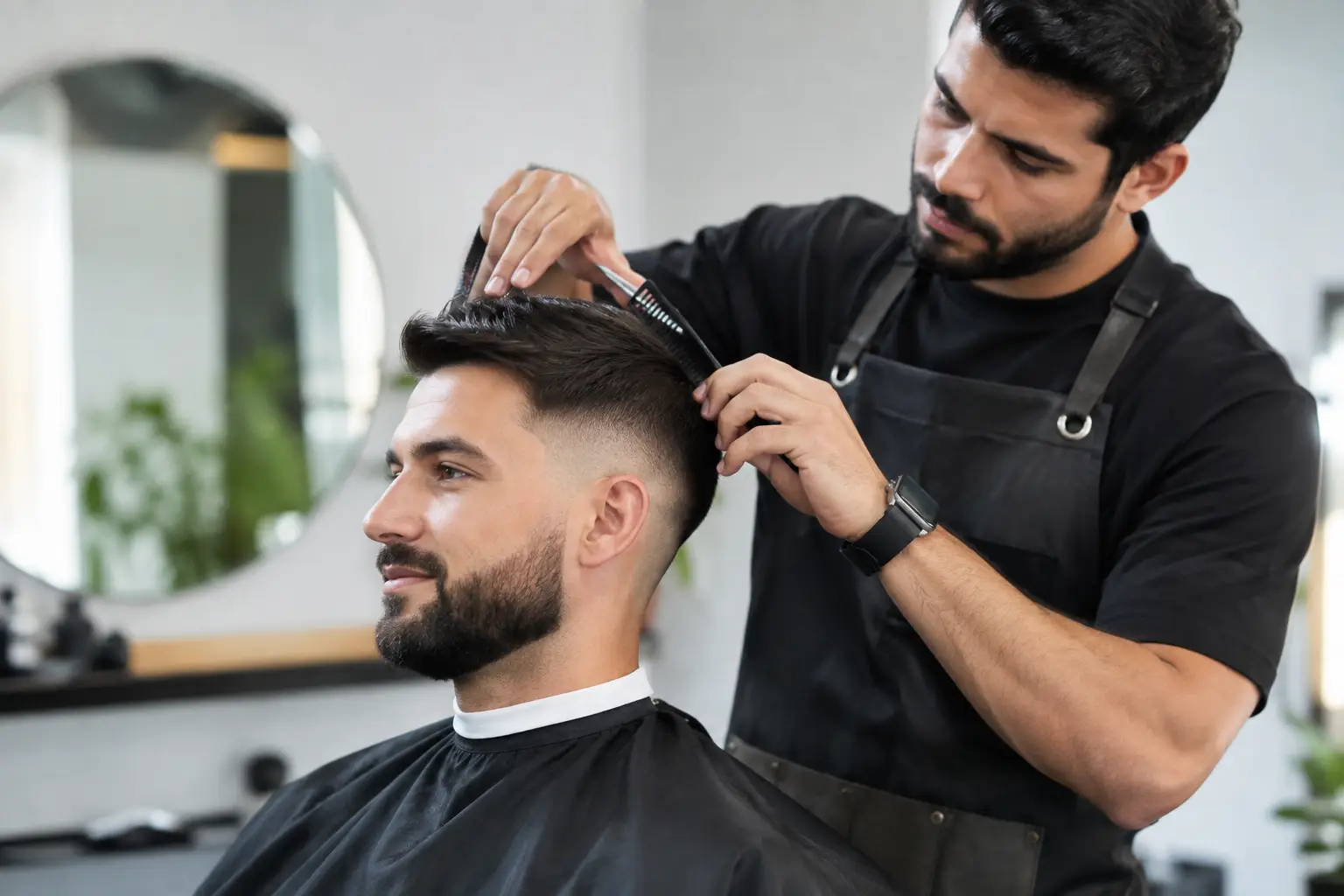
With a fade, that means removing visible weight lines while keeping enough contrast for the blend to look crisp. With scissor work, it means controlling the silhouette from every angle rather than cutting only what is visible from the front. A master barber checks how the hair sits when it is dry, how it moves and where it will naturally separate.
The same discipline applies to a buzz cut or head shave. Short hair leaves little room to hide unevenness. The outline at the temples, the transition around the ears and the finish at the nape all need a steady hand. A close-cut style should look intentional from every side, not merely short.
Beard Work Needs Its Own Plan
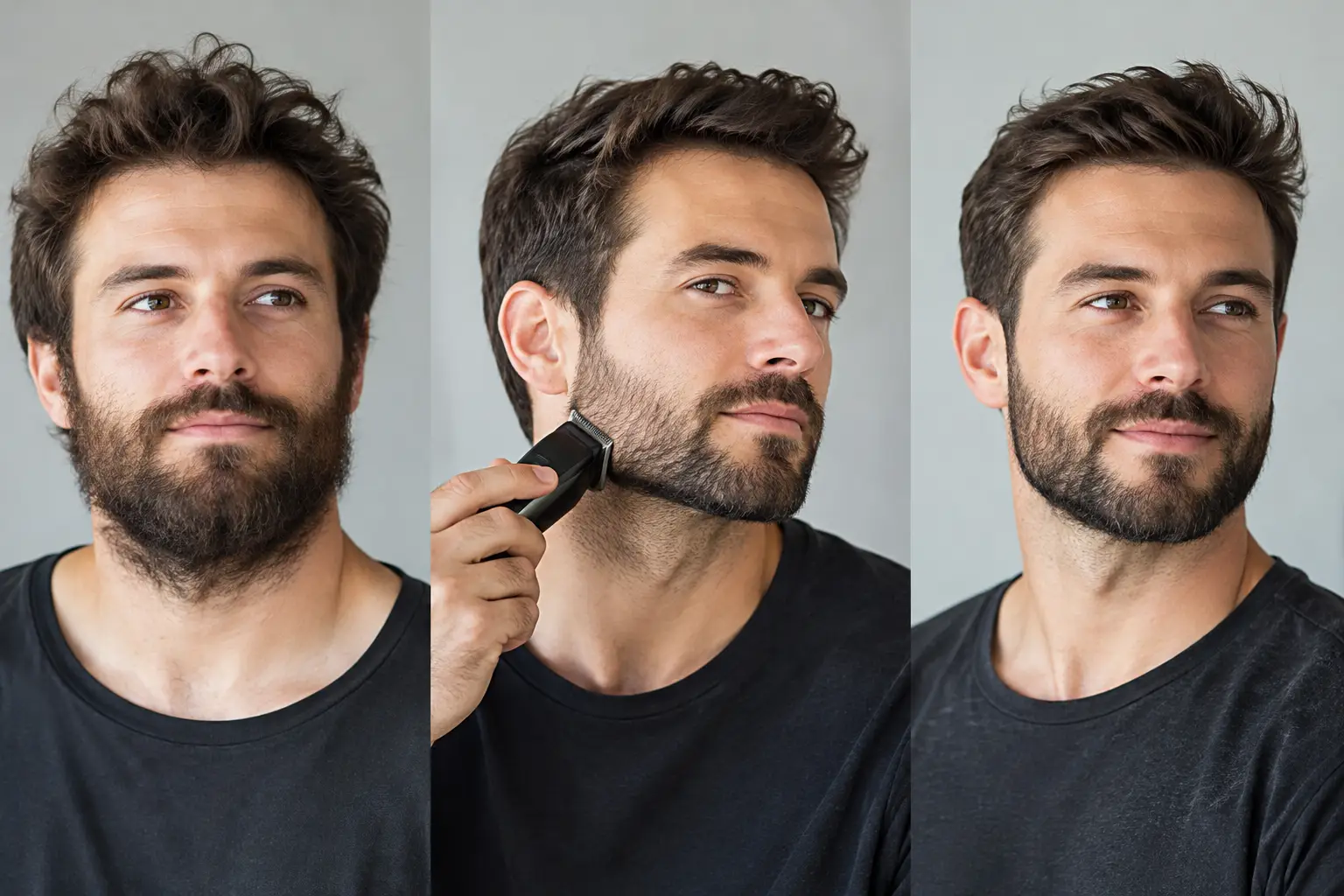
A beard trim is not an add-on performed with a single guard and a quick outline. Facial hair has its own direction, density and shape. The aim is to create definition while keeping the beard connected to your features and personal style.
A strong beard shape considers the cheek line, neckline, moustache, sideburns and the relationship between beard length and haircut. If the cheek line is pushed too low, a fuller beard can lose presence. If the neckline is taken too high, the result can look unnatural as it grows back. Precision is knowing where to clean up and where to leave strength.
For clients who want the closest traditional finish, straight-razor work brings exceptional definition. Combined with warm towels, luxury lather and considered skin preparation, it turns shaving from a chore into a restorative ritual. It is particularly satisfying before a wedding, important meeting or a weekend when you want to feel properly fresh.
Why the Finish Matters as Much as the Cut
The haircut is the structure. The finish is what makes that structure come alive. After the cutting is complete, a master barber uses drying, direction and product to show you how the style is meant to sit.
This is not about loading hair with product until it feels stiff. The right product should support the result you want. A matte clay can add grip and separation to shorter textured hair. Pomade gives a more controlled, classic sheen. Sea salt spray can build body before drying, while a light powdered wax can add lift to fine or flatter hair.
At Rogue Razor, the Petrol Head range is designed around that real-world choice. The point is not to own every product on the shelf. It is to leave knowing which finish suits your hair, how much to use and how to apply it without turning a sharp cut into a heavy one.
A good barber will give you advice you can actually use. Usually, that means starting with less product than you think, warming it through your hands and working it from the back towards the front. If your hair needs volume, apply to dry or almost dry hair. If it needs control, use the product while there is still a touch of moisture. Small adjustments make a noticeable difference.
The Value Is in Consistency, Not Just Occasion
A master barber appointment is especially valuable when you want a significant change, are growing your hair out or need help correcting a cut that has lost its shape. But it also pays off in regular maintenance. Once a barber understands your hair, your preferred outline and how quickly your fade grows in, every appointment becomes more efficient and more consistent.
The right timing depends on the style. A skin fade or very tight taper often looks its sharpest with a visit every two to three weeks. A longer scissor cut may sit well for four to six weeks. Beard maintenance varies too: crisp lines may need frequent clean-up, while a longer beard benefits from periodic reshaping rather than constant trimming.
There is a trade-off. Waiting longer can be practical and gives you more length to work with, but a faded cut will lose its contrast as it grows. Booking too frequently may not be necessary if you are wearing a softer, natural style. The best schedule is the one that keeps you looking how you want without forcing maintenance you will not keep up.
How to Get More from Your Appointment
Arrive with a clear idea of your goal, but stay open to professional input. Photos can help explain the overall direction, especially if you are changing length or trying a new beard shape, yet your barber should adapt the reference to your own features rather than copy it blindly.
Give honest feedback during the service. If you usually style your fringe forward, say so before it is cut. If you prefer a natural neckline rather than a hard square finish, mention it. A master barber wants to understand the result you will wear every day, not just create a clean photograph at the end of the appointment.
Then protect the work at home. Use the product recommended for your finish, wash when your scalp and hair need it rather than stripping it daily, and return before the shape has completely disappeared. Good grooming is not about chasing perfection. It is about making confidence feel easy to maintain.
The best chair is one where you are listened to, expertly advised and sent back into your week looking like a more considered version of yourself. Find that relationship, keep the maintenance regular and let skilled hands take care of the detail.
For a more professional advice or service
Book Online
at Rogue Razor Barbershop.