
A sharp fade can look noticeably softer in a fortnight. The neckline loses its edge, weight starts to build around the temples and a style that felt deliberate begins to feel less defined. A four week haircut is the maintenance rhythm that prevents that slide, keeping your hair shape, fade and overall presentation consistently on point without making barber visits feel excessive.
For men who rely on a clean appearance at work, on campus or in the city, four weeks is often the sweet spot. It gives your hair enough time to grow naturally while bringing you back into the chair before the detail that makes the cut work has disappeared.
Why choose a four week haircut?
Hair grows at different speeds, but the average is around one to one-and-a-half centimetres each month. That may not sound like much, yet it changes the structure of a precise haircut quickly. A skin fade grows out, a crop loses its tight outline and a side part can become harder to place cleanly in the morning.
A four week haircut is about protecting the original shape. Your barber is not starting again from scratch every time. They can follow the established weight, maintain the balance through the crown and sides, refresh the neckline, and make small adjustments as your hair responds to the cut. The result is more consistent than waiting until a style has become overgrown and needs a full reset.
There is also a practical confidence benefit. When the shape is controlled, styling takes less time. Your product performs as it should, your hair sits more predictably and you can leave the house knowing the details have been handled. A clean cut is not about looking overly groomed. It is about looking considered.
The styles that benefit most from a four-week schedule
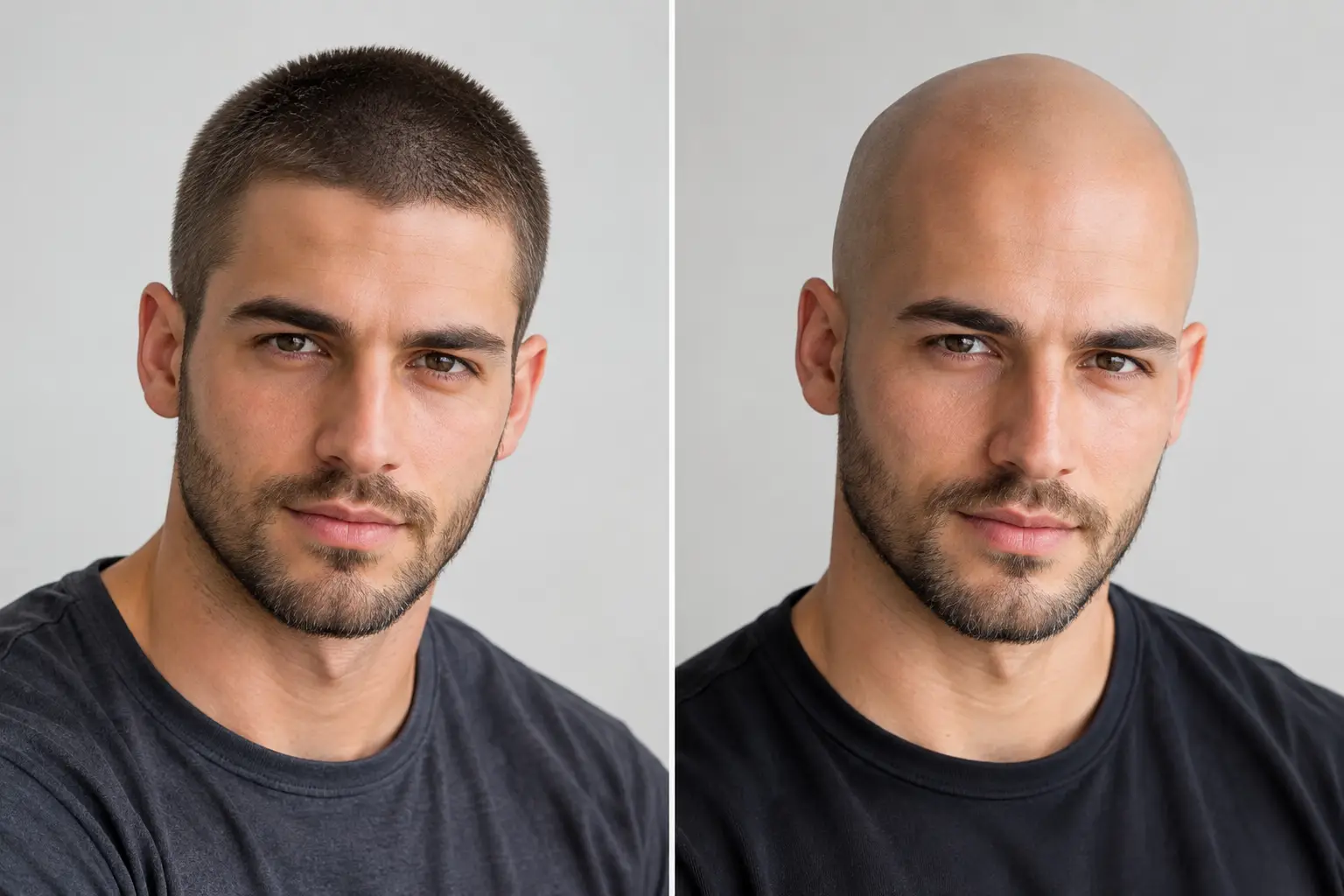
The tighter and more technical the cut, the more it benefits from regular maintenance. Skin fades, high fades, taper fades, buzz cuts and short textured crops usually look their best with a visit every two to four weeks. Their appeal comes from contrast: close, clean sides against intentional length on top. Once that contrast softens, the cut can lose its impact.
A classic short back and sides, a neat side part or a modern quiff commonly sits well on a four-week cycle too. Four weeks preserves the outline while allowing enough growth for your barber to refine the shape rather than simply repeat it. If you wear your hair with a natural finish, a small amount of added length can even improve texture, provided the perimeter remains tidy.
Medium and longer styles are different. If your hair is growing towards a longer layered shape, six to eight weeks may be the better choice. Cutting too often can slow down the progress you are aiming for. Even then, a quick tidy-up around the neck, ears and fringe may be useful between full appointments, especially if professional presentation matters to you.
The right interval depends on your growth rate, the level of fade, your preferred finish and how much time you want to spend styling. A skilled barber should look at the cut in front of them, not apply the same timetable to every client.
Fades need detail, not just length removed
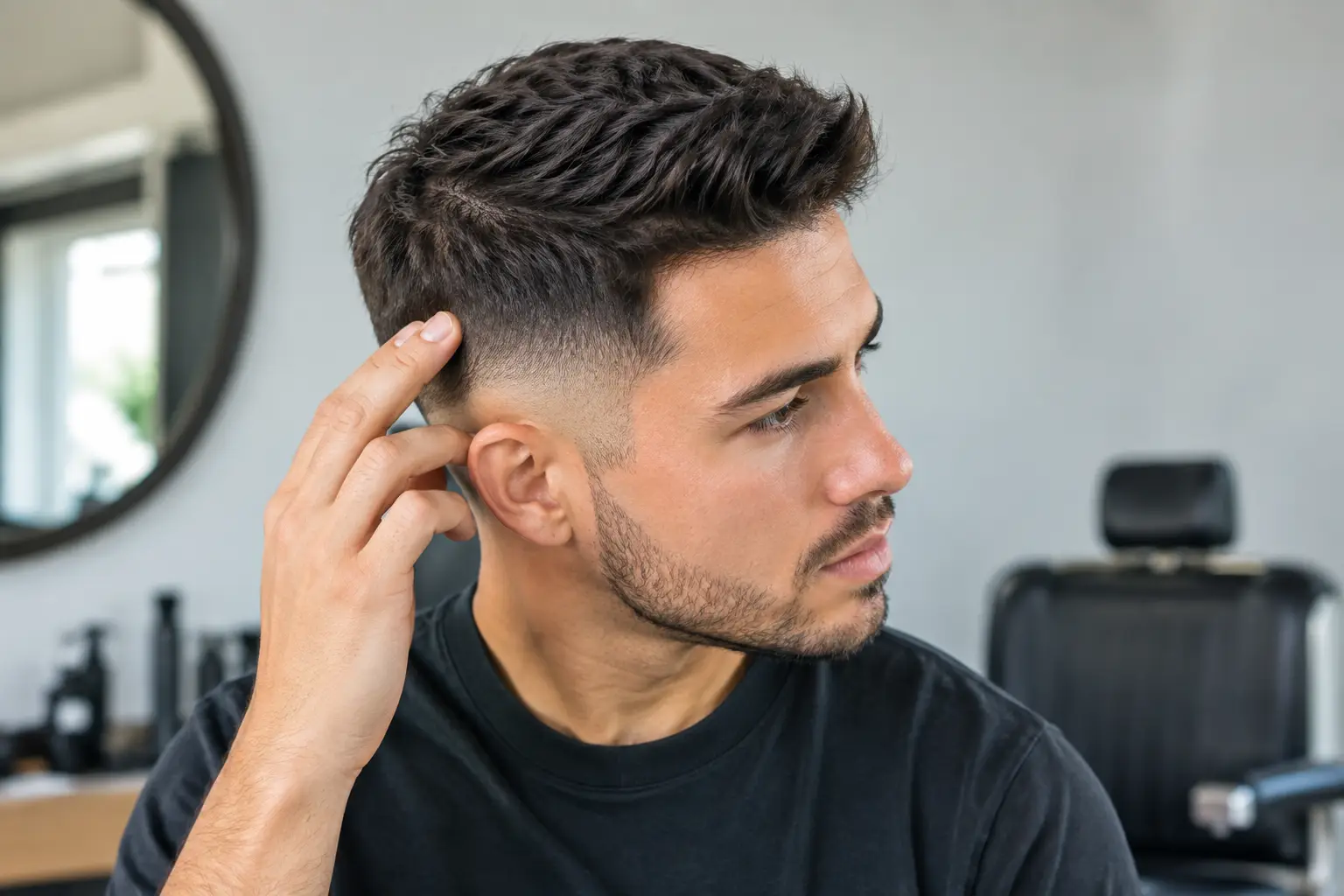
A fade is built on gradual transitions. It requires precise blending through several lengths, with the darkest area placed to complement your head shape and the top connected cleanly into the sides. As the hair grows, those transitions become less visible. After four weeks, there is enough regrowth to rebuild the blend while still retaining the original map of the cut.
That is why a maintenance appointment can make such a difference. The aim is not merely to take the sides shorter. It is to restore proportion, clean the hairline and ensure the fade still looks intentional from every angle.
What happens at a four-week maintenance appointment?
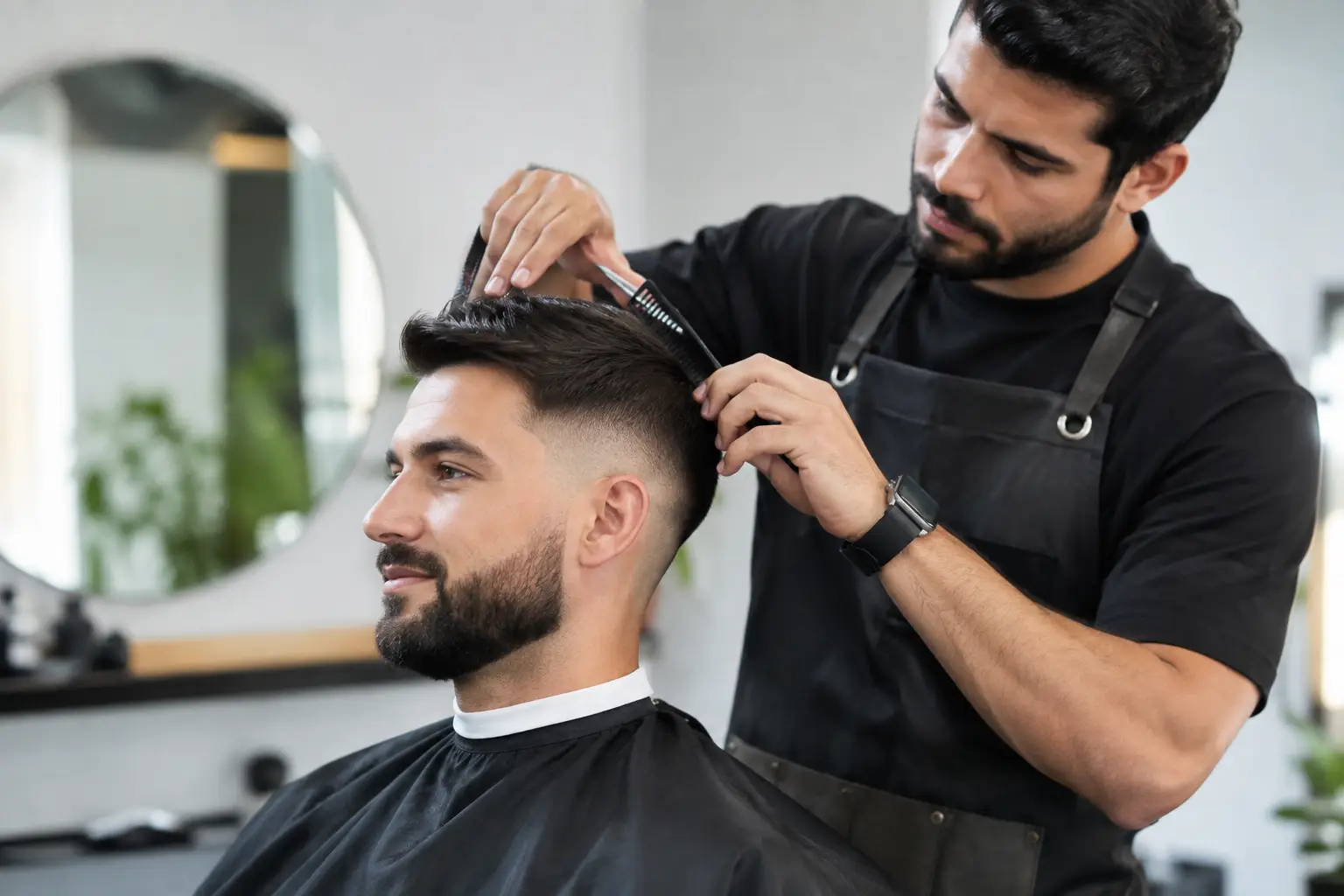
A good maintenance cut starts with a quick consultation. Your barber will ask how the last cut has grown out, whether the top has felt too heavy or too short, and how easily you have been able to style it. These small observations are useful. They turn a repeat appointment into a more personalised service each time.
The focus is then on restoring the cut’s foundation: refining the fade or taper, removing excess weight where needed, balancing the top and sharpening the neckline and around the ears. If your style is working perfectly, the changes may be subtle. That is a strength, not a lack of service. Precision maintenance should preserve what suits you.
At Rogue Razor Barbershop, the four-week rhythm is treated as part of a longer-term grooming plan. Regular visits allow the barber to understand your growth patterns, face structure and preferred finish, whether you favour a polished side part, a fresh textured crop or an uncomplicated buzz cut. That continuity is where consistently strong results come from.
Make your haircut last well between visits
The right routine gives a four-week cut its best chance of holding shape. Start with how you wash it. Shampooing aggressively every day can leave some hair and scalps dry, making texture harder to control. For many men, washing when needed and using a quality conditioner helps hair remain manageable without weighing it down.
Styling product should match the finish you want, not simply add hold. A pomade suits slicker, more polished styles with a controlled shine. Heavy clay creates firmer grip and a matte finish for textured crops or quiffs. A construction paste can offer flexible definition, while sea salt spray builds natural-looking volume before blow-drying. For fine hair that needs lift, powdered wax can provide grip without a heavy feel.
Use less product than you think. Warm it properly between your palms, work it through from the back of the head and add more only where needed. Loading product into the fringe first is a common reason hair looks greasy or falls flat by midday.
Your barber can also show you where to direct the hair when drying it. That technique matters more than most men realise. Blow-drying the roots into the intended shape creates the foundation; product then adds control and finish. It is a small habit that can make a four-week cut look fresh far beyond the first few days.
When four weeks may be too soon or too late
Four weeks is a strong general benchmark, not a rule. If you have very fast, dense growth and a skin fade, two or three weeks may be the better interval. Clients who keep a buzz cut particularly close often prefer this schedule because even a few millimetres alter the look.
If you have curly, coily or highly textured hair, the right timing depends on the silhouette you wear. A shaped short cut may need frequent edge work, while a longer style may benefit from more time between full cuts. The same applies if you are growing your hair out: ask for strategic clean-up rather than sacrificing the length you are working towards.
On the other hand, leaving a precise short style for seven or eight weeks often means more has to be removed and reshaped. Your barber can certainly restore it, but the cut may not feel quite as continuous. Regular maintenance is usually the easier route if you want a consistently clean finish.
Pair it with beard maintenance when it suits your look
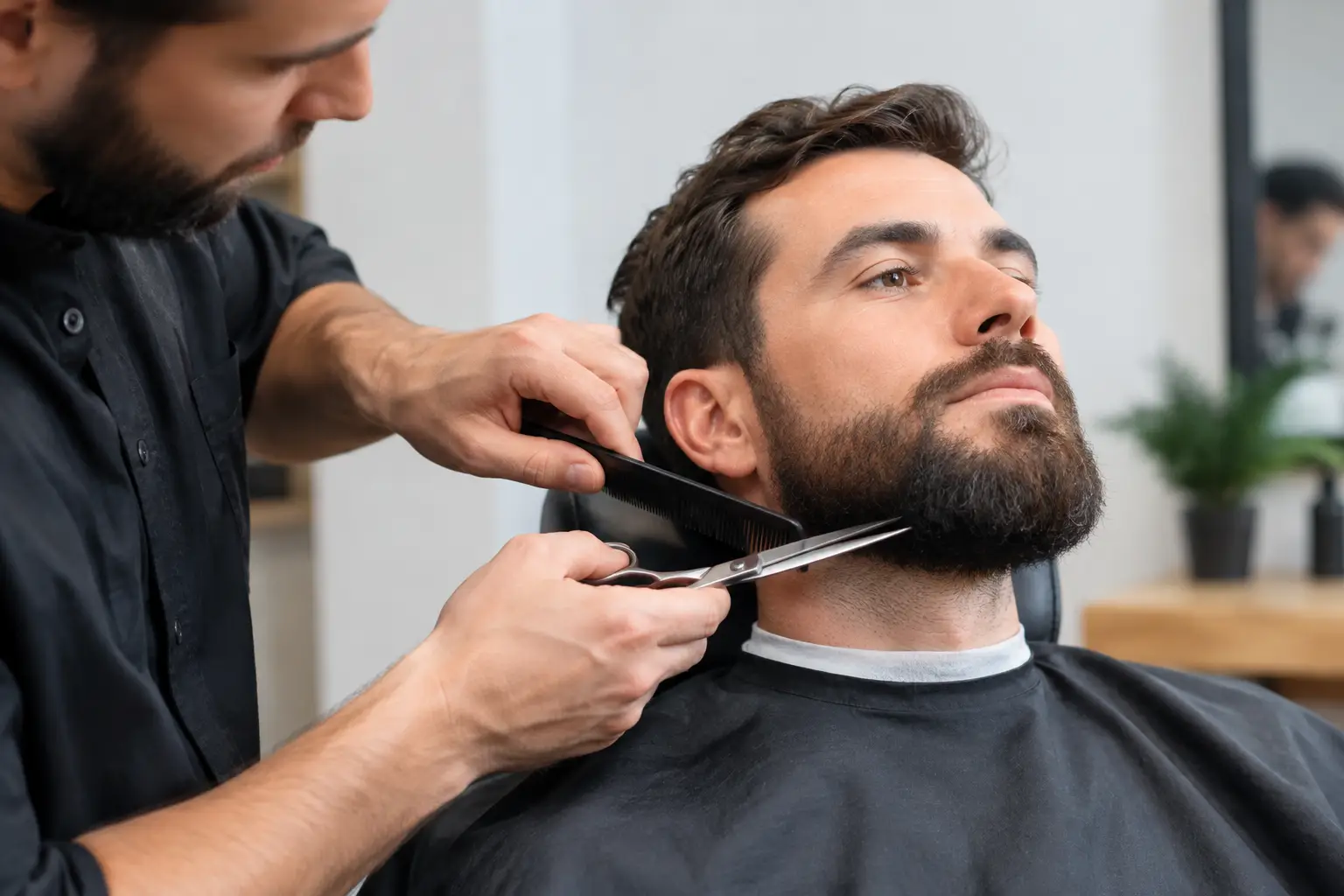
A haircut frames the head; a beard frames the face. If you wear facial hair, keeping the beard line, cheeks and neckline tidy alongside your haircut creates a more balanced result. It does not mean every beard needs a sharp, boxed outline. Some look better with a softer, natural edge. The key is that the beard shape works with the haircut, jawline and the amount of density you have.
A beard trim on the same four-week rhythm is convenient for many men, while others need a faster tidy-up around the neckline. A little beard balm can condition the hair and bring a more controlled finish, especially through cooler or drier months.
The best time to book your next appointment is while your current cut still looks sharp. Set the four-week rhythm, pay attention to how your hair grows and let the details stay deliberate. That is how a haircut becomes part of your signature style rather than another job to put off.
For a more professional advice or service
Book Online
at Rogue Razor Barbershop.