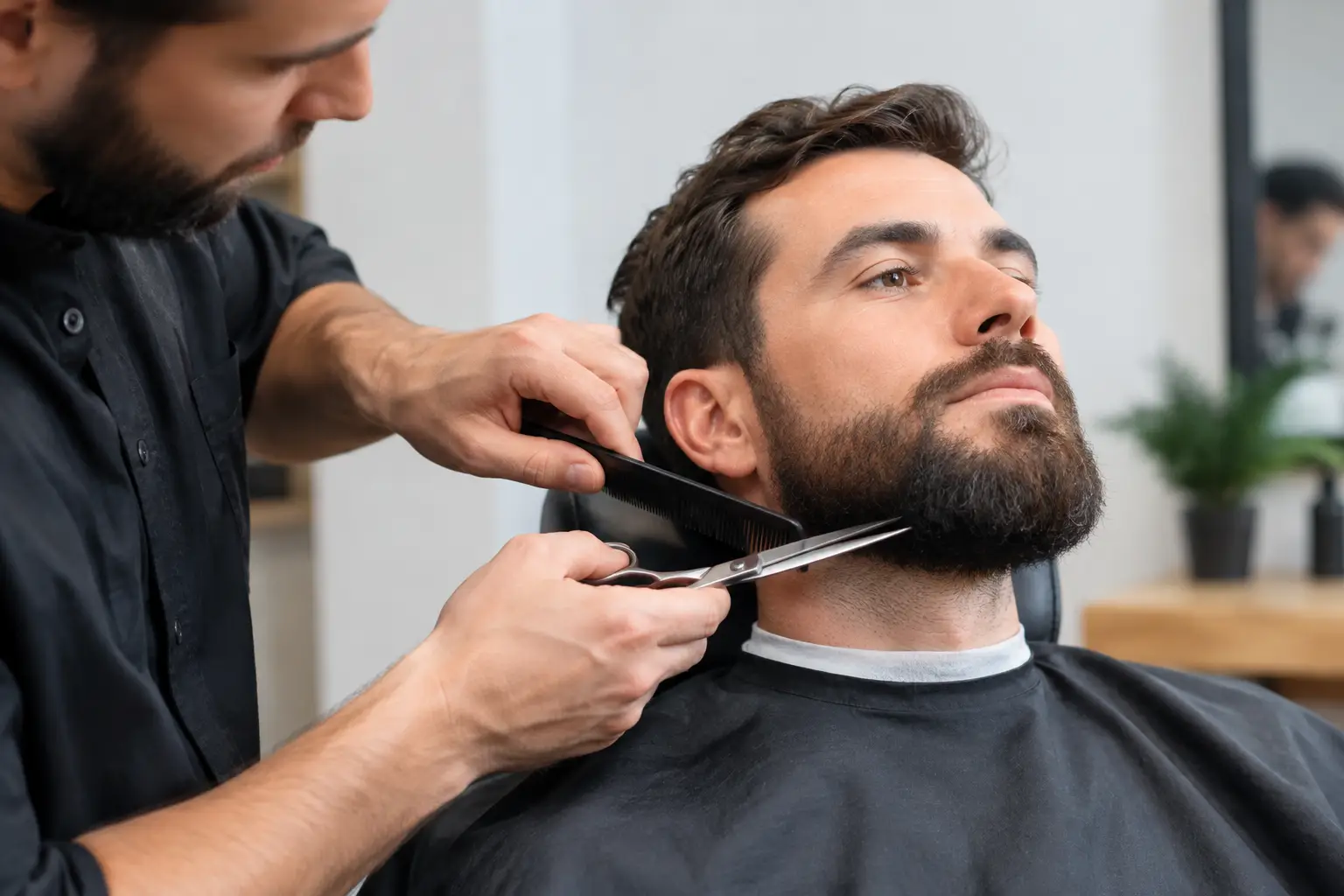
A beard trim appointment is not simply a quick pass with clippers. Done properly, it is a reset for your face: cleaner lines, stronger proportions and a shape that works with your haircut, jawline and daily routine. Whether you are growing a fuller beard, keeping close stubble sharp or correcting a shape that has drifted at home, professional detail makes the difference between looking groomed and looking unfinished.
Why a Professional Beard Trim Changes the Result
Facial hair rarely grows evenly. One side may sit higher on the cheek, the moustache can become heavy over the lip, and the neckline can lose its definition in a matter of days. The temptation is to take more off until both sides look similar. That is where many beards become too narrow, too high, or simply out of balance.
A skilled barber reads the beard as part of the whole picture. Head shape, face structure, hair density, growth direction and the length of your haircut all matter. A strong square jaw may suit a slightly fuller chin, while a longer face can benefit from controlled length underneath and a more considered side profile. The aim is not to force every beard into the same outline. It is to create a shape that feels deliberate and natural on you.
There is also a practical benefit. Regular professional maintenance lets you keep the length you have worked hard to grow, while removing the bulk and stray growth that makes a beard look untidy. You should leave looking like yourself, only more refined.
Before Your Beard Trim Appointment
Arrive with your beard reasonably clean and dry where possible. Heavy beard oil, balm or styling wax can hide the beard’s natural fall and make it harder to judge density accurately. A clean beard allows your barber to see where the shape is sitting before any product or hot towel work begins.
Do not feel you need to tidy it first. Let the growth show. If you have been growing your beard out, it is useful for your barber to see the uneven areas, the natural cheek line and the direction in which the hair pushes forward or lies flat. Trying to correct it just before your visit can remove the very length needed to build a better outline.
It also helps to have a clear idea of your normal routine. Do you style your beard every morning, or do you need it to hold its shape with minimal effort? Does your work call for a clean, close finish? Are you growing towards a fuller, longer beard, or maintaining a short and structured look? These details give the consultation a useful direction.
The Consultation: Where Precision Starts
The best part of a beard trim appointment often happens before the first clipper is switched on. Your barber should ask what you want to improve, how much length you are comfortable losing and how often you plan to maintain the result. A simple request such as “clean it up” can mean very different things depending on the wearer.
Be specific about any areas you want to protect. Perhaps your chin is finally filling in, you prefer a fuller moustache, or you are growing out a patchy section at the sides. Equally, point out what frustrates you. A beard that flicks out under the jaw, a moustache that drops into your mouth, or a neckline that seems impossible to keep neat are all issues that can be addressed with the right technique.
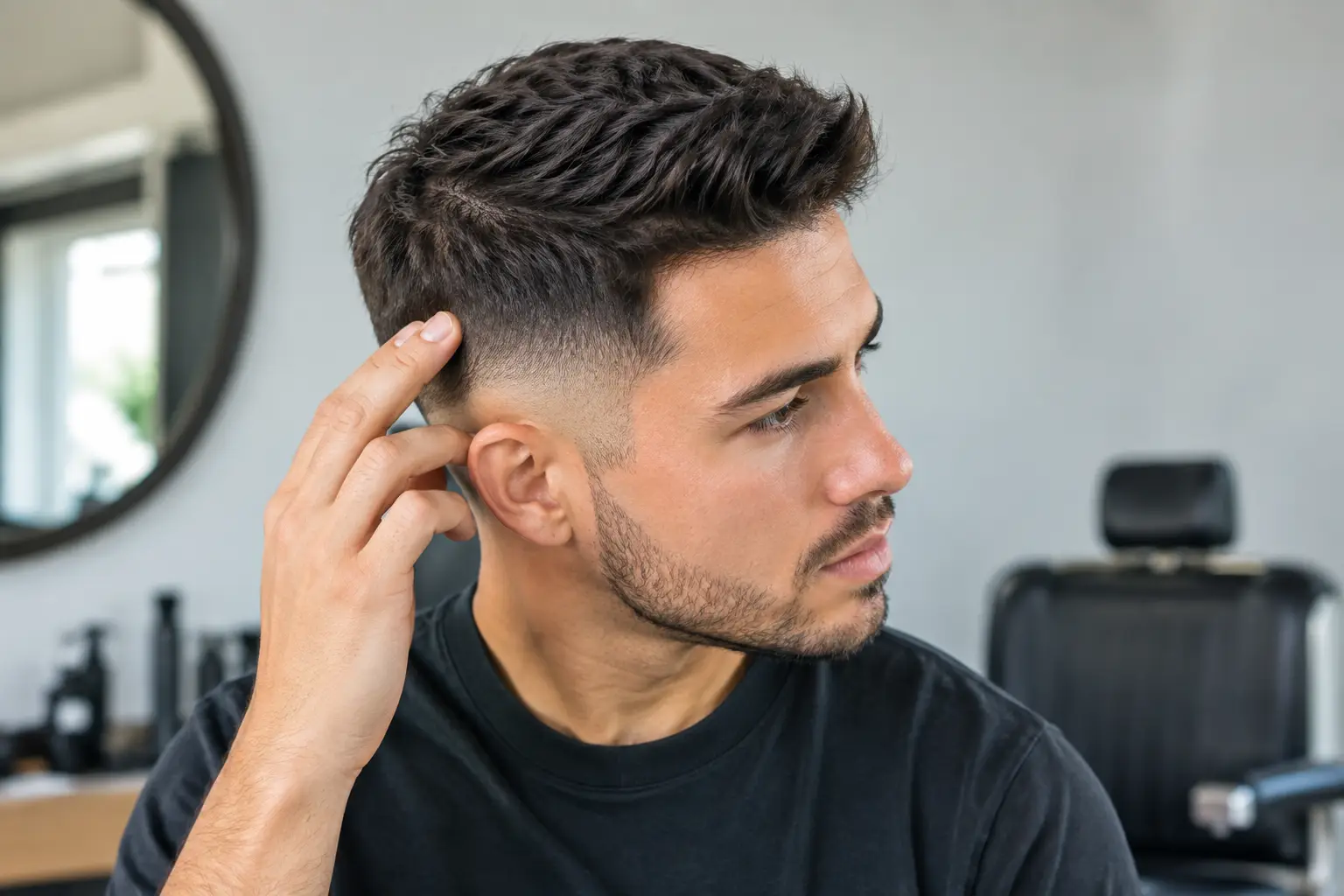
Your haircut should be part of the conversation too. A fresh fade and a beard that finishes too wide at the sideburn can make the profile feel disconnected. A longer, textured hairstyle may suit a little more fullness through the beard. The strongest finish comes when hair and facial hair are designed to work together rather than treated as separate jobs.
What Happens in the Chair
Building the Shape
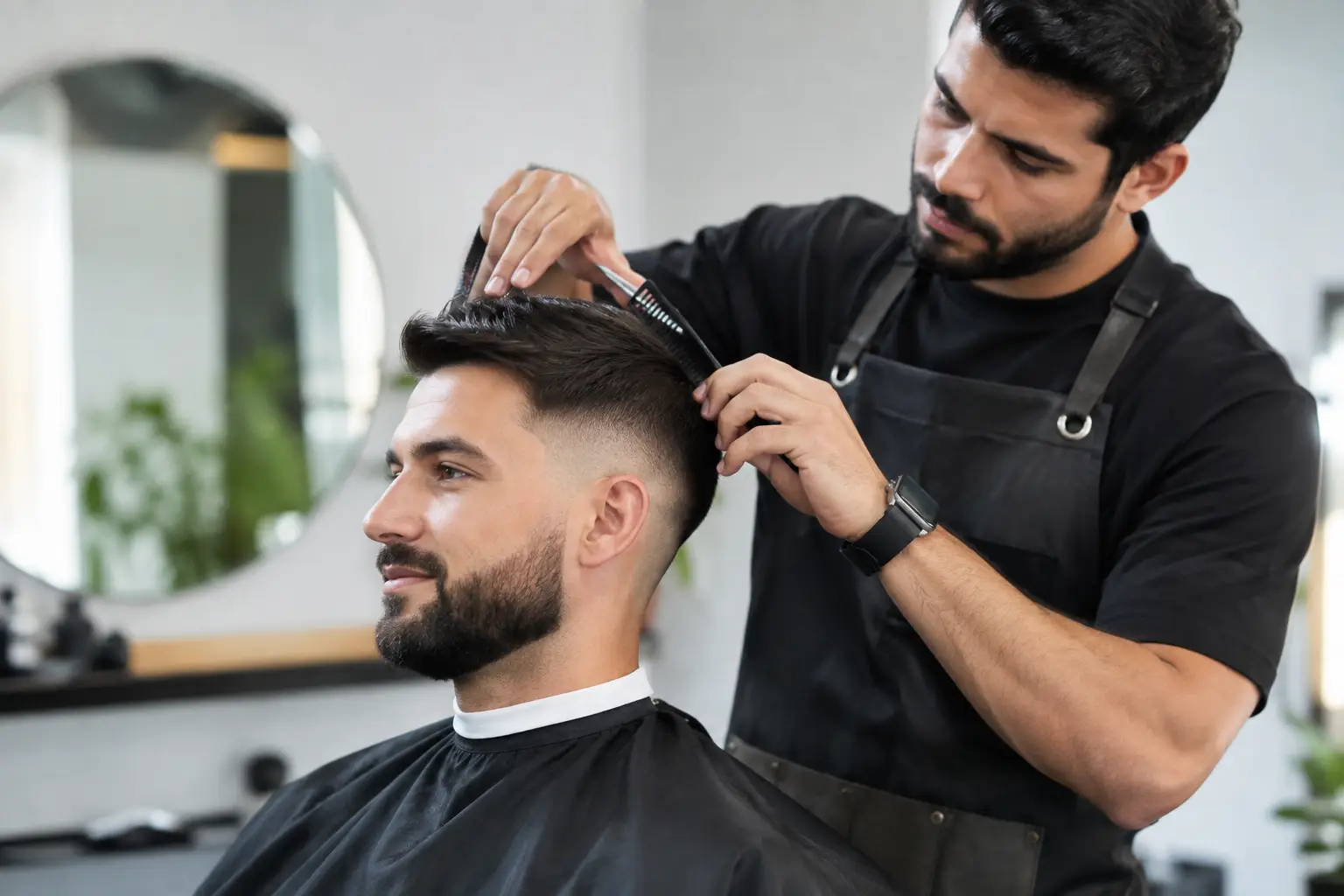
Your barber will usually begin by assessing the beard at its natural length, then remove excess bulk gradually. Clippers are useful for setting length and blending, especially around the sideburns and cheeks. Scissor work can offer more control where the beard is dense, curly or being grown longer. The method depends on your beard, not a one-size-fits-all routine.
The key is restraint. Taking too much off early is difficult to undo, so a considered barber establishes the silhouette first, checks symmetry from several angles, then refines. This is especially important beneath the jawline, where a beard can look full from the front but unbalanced in profile.
Defining the Cheeks and Neckline
Clean lines bring order to the beard, but they should not look artificially stamped on. The cheek line should respect your natural growth pattern while removing the scattered hairs that soften the shape. For some men, a high, crisp cheek line looks sharp; for others, keeping it lower and more natural gives better density. It depends on how your beard grows and the style you want to wear.
The neckline deserves equal attention. Set too high, it can make the beard look like it is sitting on the chin. Set too low, it loses structure. A well-placed neckline follows the anatomy beneath the jaw and creates a clean transition into the neck without sacrificing the beard’s weight.
Straight-Razor Detail and Hot Towels
For the closest finishing work, straight-razor detailing creates a level of definition that clippers alone cannot match. Warm towels soften the skin and facial hair, while quality lather helps the blade glide comfortably over the areas being cleaned up. This part of the service is about more than a crisp edge. It gives the appointment its traditional barbershop ritual: calm, precise and genuinely restorative.
Sensitive skin does not mean you have to avoid a sharp finish, but it does mean your barber should work carefully. Mention razor sensitivity, ingrown hairs or any areas that regularly become irritated. The finish can be adjusted, with less aggressive line work or a different approach where needed.
The Final Finish
Once the structure is in place, the final check matters. Your barber will look for isolated hairs, refine the moustache, balance both sides and assess the result from the front and profile. A light beard balm can soften the hair, add control and give a healthy finish without making it look greasy.
For shorter styles, a balm such as Cigars & Whiskey or Luxurious Wood can help condition the beard and settle flyaways. If your beard is fuller, use only enough product to manage it. Too much balm can weigh fine hair down and make a freshly shaped beard lose its definition.
How Often Should You Book?
There is no fixed rule, but most short, defined beards benefit from a beard trim every two to three weeks. This keeps the neckline, cheeks and moustache looking deliberate without removing meaningful length. Men with a closely shaved outline may prefer more frequent visits, particularly if a clean professional appearance is part of their working week.
For a medium or longer beard, four to six weeks may be more suitable. The beard still needs regular checking, but the focus shifts from maintaining hard lines to controlling weight, split ends and uneven growth. If you are growing it out, tell your barber at every visit. Maintenance during growth should protect length while quietly improving the final shape.
Your home routine fills the gap between appointments. Wash the beard when needed, dry it properly, comb or brush it in its natural direction and use a small amount of conditioning product. Avoid repeatedly trimming the same line at home if you are not certain where it sits. Keeping the beard healthy is useful; chasing perfection with a bathroom mirror often is not.
A Better Beard Is Built Over Time
The first appointment can make an immediate impact, but the strongest beard shape develops through consistency. As your barber gets to know your growth pattern, preferred length and lifestyle, each visit becomes more precise. Small adjustments can be made before they become bigger corrections.
At Rogue Razor, a beard trim is treated as part of your overall style, with the same attention given to line, balance and finishing detail as a clean fade or tailored haircut. Book when your beard starts to feel untidy, not when it has become unmanageable. That simple habit keeps your look sharp, your routine easier and your confidence exactly where it should be.
For a more professional advice or service
Book Online
at Rogue Razor Barbershop.