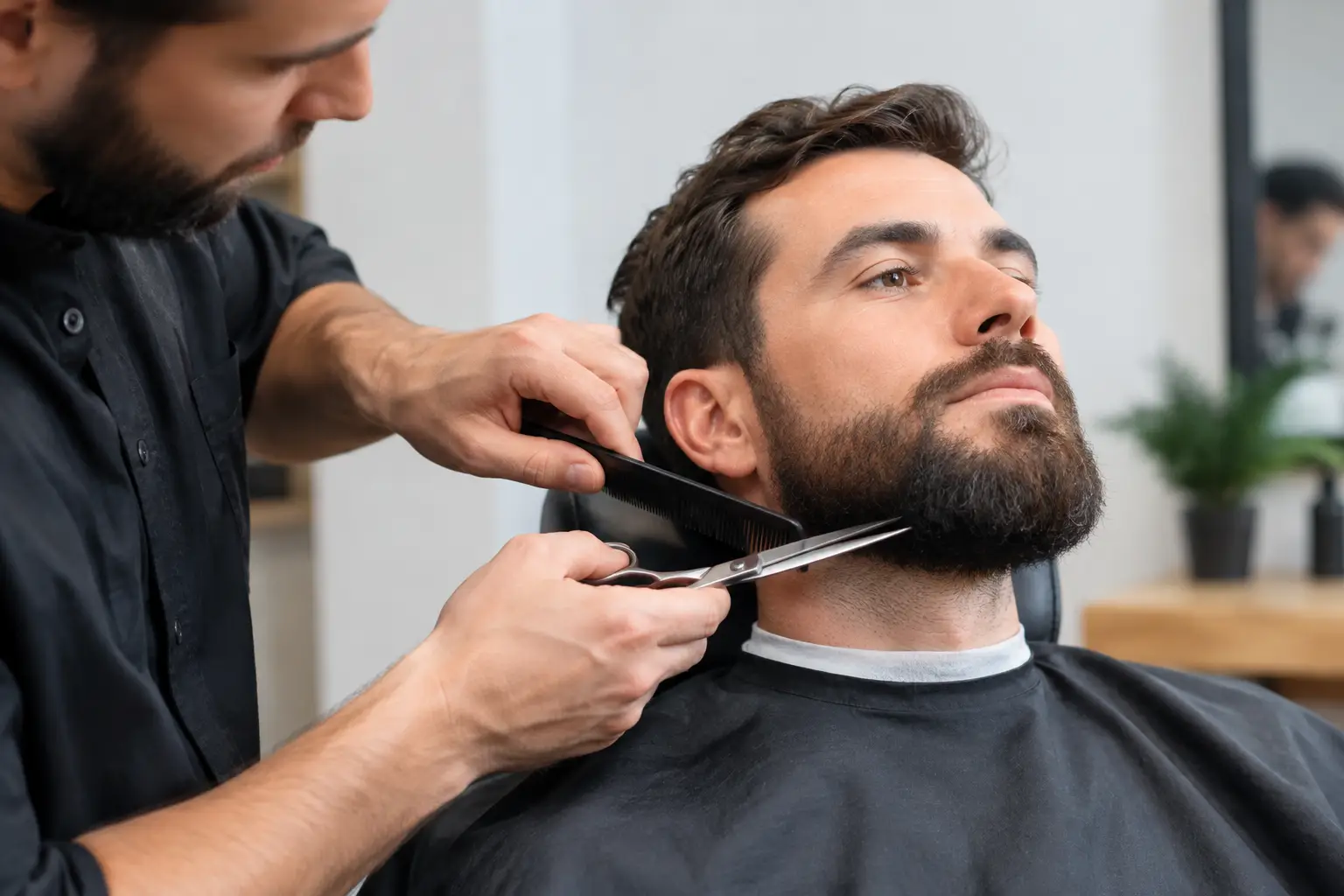

A barber fade haircut can make a strong style look considered, or expose every weakness in the cut. The difference is not simply how short the sides are. It is where the fade begins, how cleanly it moves through each length, and whether the shape works with your head, face and daily routine. Done properly, it gives you that fresh-cut confidence long after you leave the chair.
What makes a barber fade haircut different?
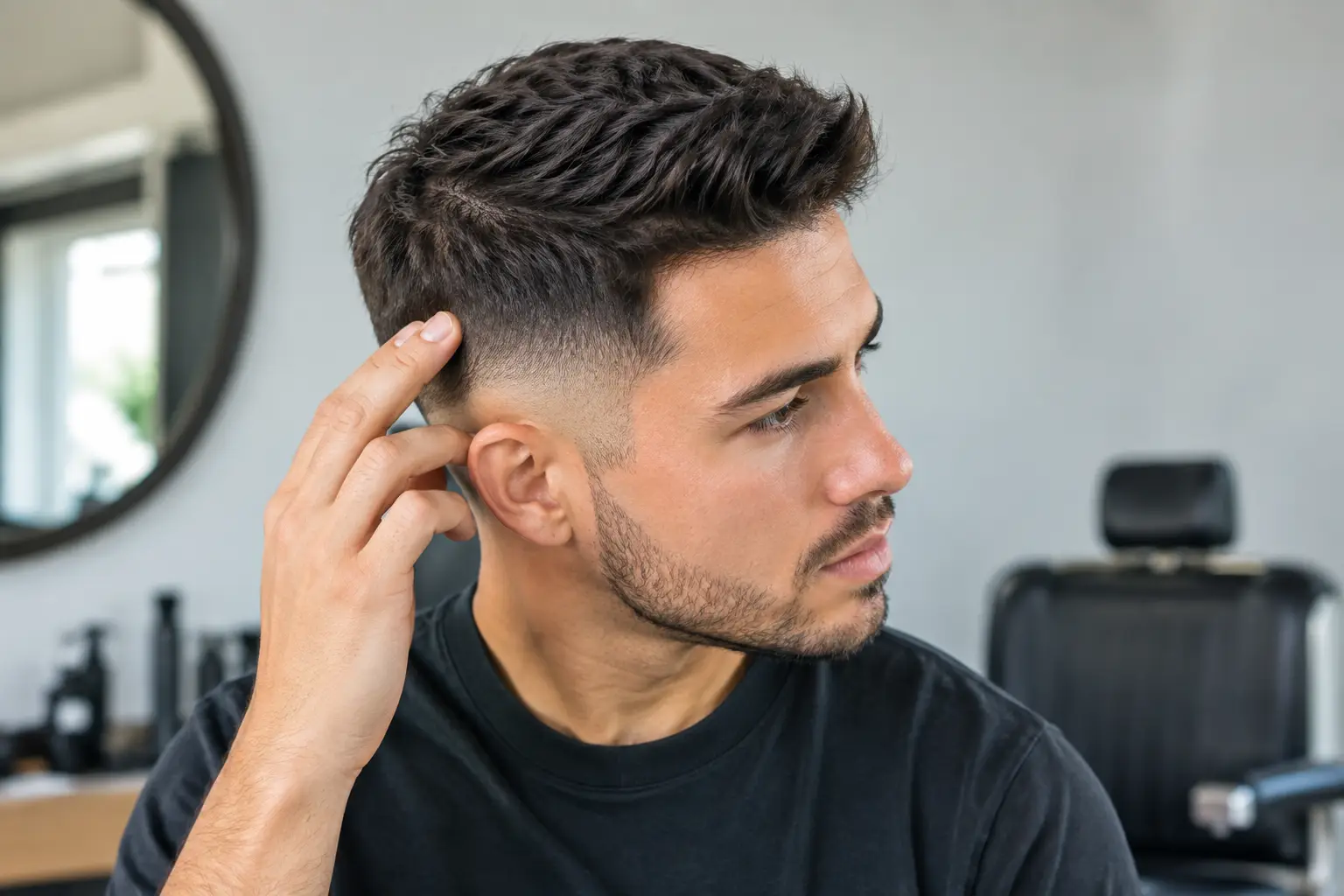
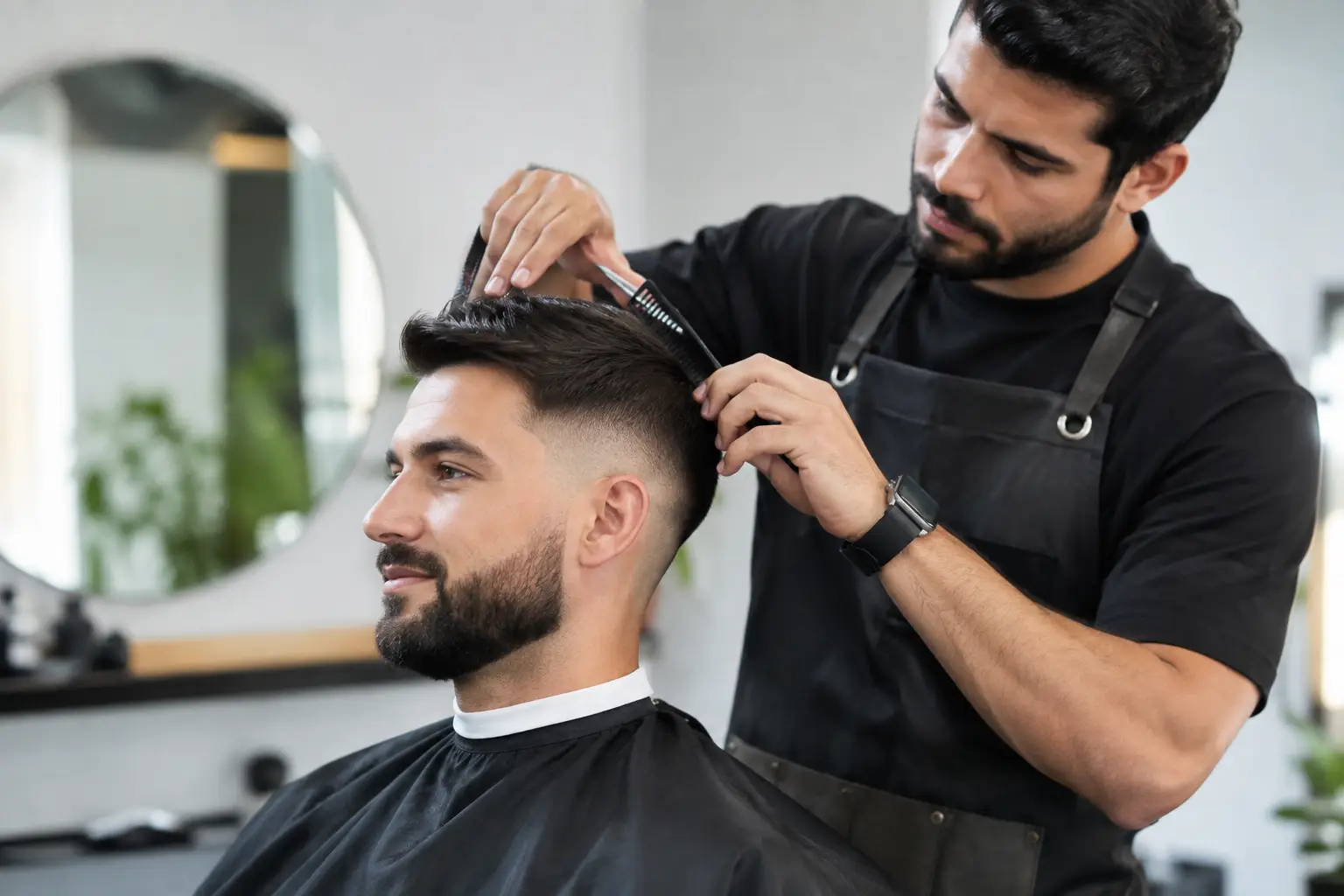
A fade is a controlled graduation from very short hair near the neckline and ears into longer hair above. It sounds straightforward, but this is where experienced barbering shows. A clean fade requires precise clipper control, a trained eye for balance and detailed finishing around the temples, ears and neckline.
The goal is not to make the sides disappear for the sake of it. The goal is to create a smooth transition that supports the haircut on top. Whether you wear a short crop, textured fringe, classic side part, curls or a longer quiff, the fade should make the overall shape look sharper.
A quality barber will also account for growth patterns, density and the natural contours of your head. Two clients can ask for the same fade and leave with slightly different results – because the right finish is personal, not copied from a photograph without thought.
Low, mid or high: where should your fade sit?
The height of a fade changes the entire character of the cut. This is the first decision worth discussing during your consultation.
Low fade
A low fade stays close to the ears and neckline, leaving more weight through the sides. It is refined, versatile and particularly effective if you want a professional finish without making the haircut feel too severe. For many working professionals, it is the easiest fade to carry from the office through to the weekend.
It also suits men who have a longer or narrower face, as keeping more structure at the sides can create a more balanced silhouette. A low fade grows out more softly than a higher version, though it still benefits from regular maintenance.
Mid fade
A mid fade begins around the middle of the sides and delivers a cleaner, more noticeable contrast. It is a reliable choice for men who want definition without committing to the boldest possible look. With a crop, pompadour or textured top, a mid fade brings the eye upwards and creates a crisp modern profile.
This is often the middle ground for clients who like the sharpness of a skin fade but still want enough shape to wear their hair in different ways. It works across a broad range of face shapes, provided the top is cut with proportion in mind.
High fade
A high fade removes weight higher up the head and creates a stronger separation between the sides and top. It is clean, confident and ideal when you want the hairstyle above to take centre stage. It can make thick hair feel lighter and gives short, textured styles real impact.
There is a trade-off. High fades grow out more visibly and can make the head appear longer if the top is left too high. If your hairline is receding or your head shape has pronounced contours, your barber may recommend adjusting the height rather than taking it straight up to the temples.
Skin fade, taper fade or something softer?
Fade terminology can be confusing because barbers use it to describe both height and finish. The most useful question is not just, “Do you want a fade?” It is, “How close do you want it, and how much contrast suits you?”
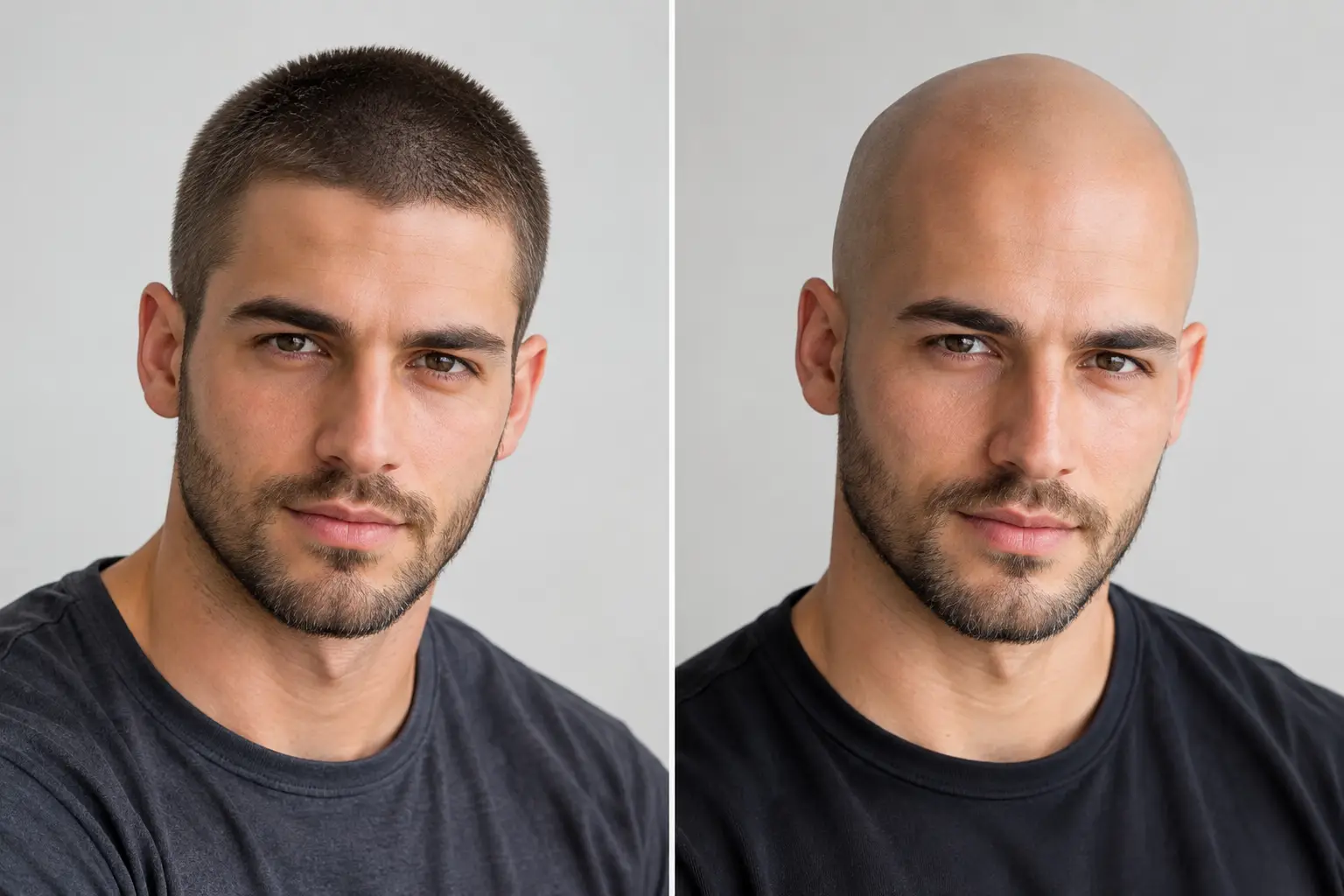
A skin fade, sometimes called a bald fade, is taken down to the skin at its shortest point before blending into darker lengths. It delivers maximum cleanliness around the edges and looks exceptional when the graduation is smooth. It requires regular appointments if you want that just-finished look to remain consistent.
A taper fade is more restrained. It focuses on the sideburns and neckline, preserving more length around the sides. This makes it a strong option for men who prefer a classic shape, wear their hair longer, or want more time between cuts.
A shadow fade sits between these two approaches. The shortest area remains very short, but not fully to the skin. It offers contrast with a slightly softer grow-out, making it a practical choice when your schedule does not allow for a fortnightly clean-up.
Match the fade to your face shape and hair type
The best fade does not follow a trend blindly. It works with what you have.
If your face is rounder, more height and texture on top can add structure, while a mid or high fade creates a leaner outline. If your face is long, a lower fade with controlled volume can prevent the haircut from adding extra length. Square faces often suit clean fades very well, but harsh lines should be balanced with texture if you want a less severe result.
Hair type matters just as much. Dense, straight hair can show a fade with exceptional clarity, but it may need careful debulking to avoid a shelf where the short sides meet the top. Wavy or curly hair creates a naturally softer blend and can look excellent with a low or mid taper, especially when the barber respects the curl pattern rather than forcing a rigid shape.
Fine hair needs a different approach. Taking the fade too high can make the contrast between sides and top feel excessive. Keeping the transition lower and building texture with the right styling product will usually give a fuller, more balanced finish.
The consultation matters more than the reference photo
A reference photo is useful, especially for showing the level of contrast or texture you like. But it is a starting point, not a blueprint. The person in the image may have a different hairline, density, face shape and styling routine.
Tell your barber how you normally wear your hair, how much time you spend styling it and how often you plan to return. Be clear if you need a style that remains neat under a helmet, works for client meetings, or can be dressed up for evenings without a complete restyle.
At Rogue Razor Barbershop, the strongest results start with that conversation. A considered barber fade haircut is built around your individual features, then finished with the same attention given to the neckline, beard transition and product choice.
Styling a fade without overworking it
The fade itself needs no styling, but the hair above it determines whether the cut feels polished or unfinished. Start with clean, towel-dried hair and use less product than you think. You can always add more; removing excess product usually means starting again.
For a natural textured crop or messy quiff, a matte clay or construction paste provides control without too much shine. Work it through from the back towards the front, then use your fingers to create separation. For a classic side part or a more formal finish, pomade offers cleaner direction and controlled definition.
If your hair is fine or needs lift, a small amount of sea salt spray before blow-drying can create a stronger base. Powdered wax is useful for dry texture and volume, particularly when you want the top to look fuller without appearing heavily styled. Product should support the haircut, not cover it up.
How often should you maintain a fade?
For a skin fade that stays visibly sharp, most men book every two to three weeks. A mid or high fade may still look good at four weeks, but the clean contrast will soften noticeably as the sides grow in. Low fades and taper fades are more forgiving, particularly if the cut has been designed to grow out well.
Your ideal schedule depends on your hair growth and how precise you like your appearance. A back-and-sides refresh between full appointments can keep the outline clean while allowing the top to grow. Do not attempt to recreate the blend at home with clippers unless you are prepared for an uneven result – fading is one of those details that looks simple only when it has been done well.
A fade should feel like part of your personal signature, not a style you have to constantly fight. Choose the height, finish and maintenance level that fit your real life, then let skilled hands make the detail look effortless.
For a more professional advice or service
Book Online
at Rogue Razor Barbershop.