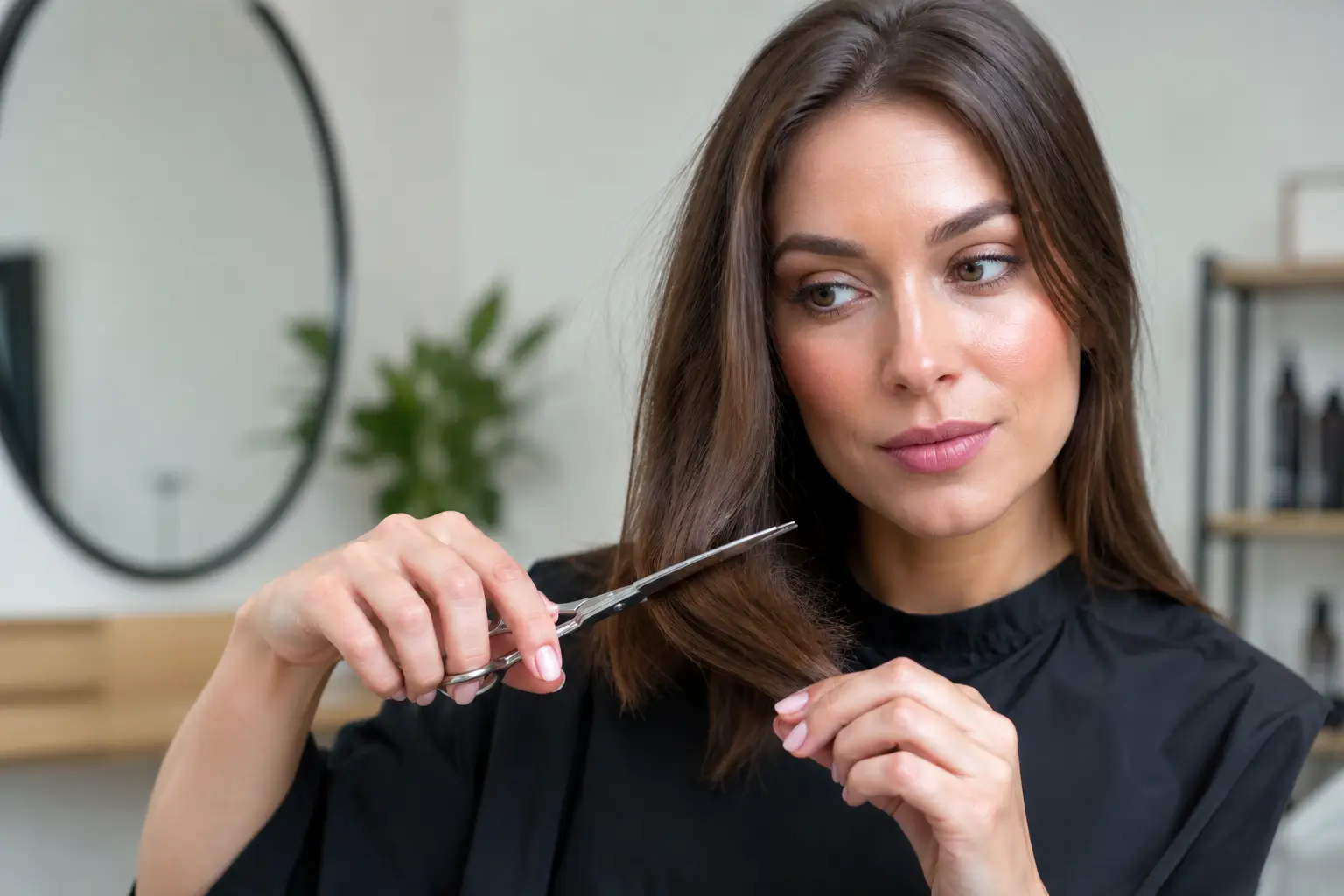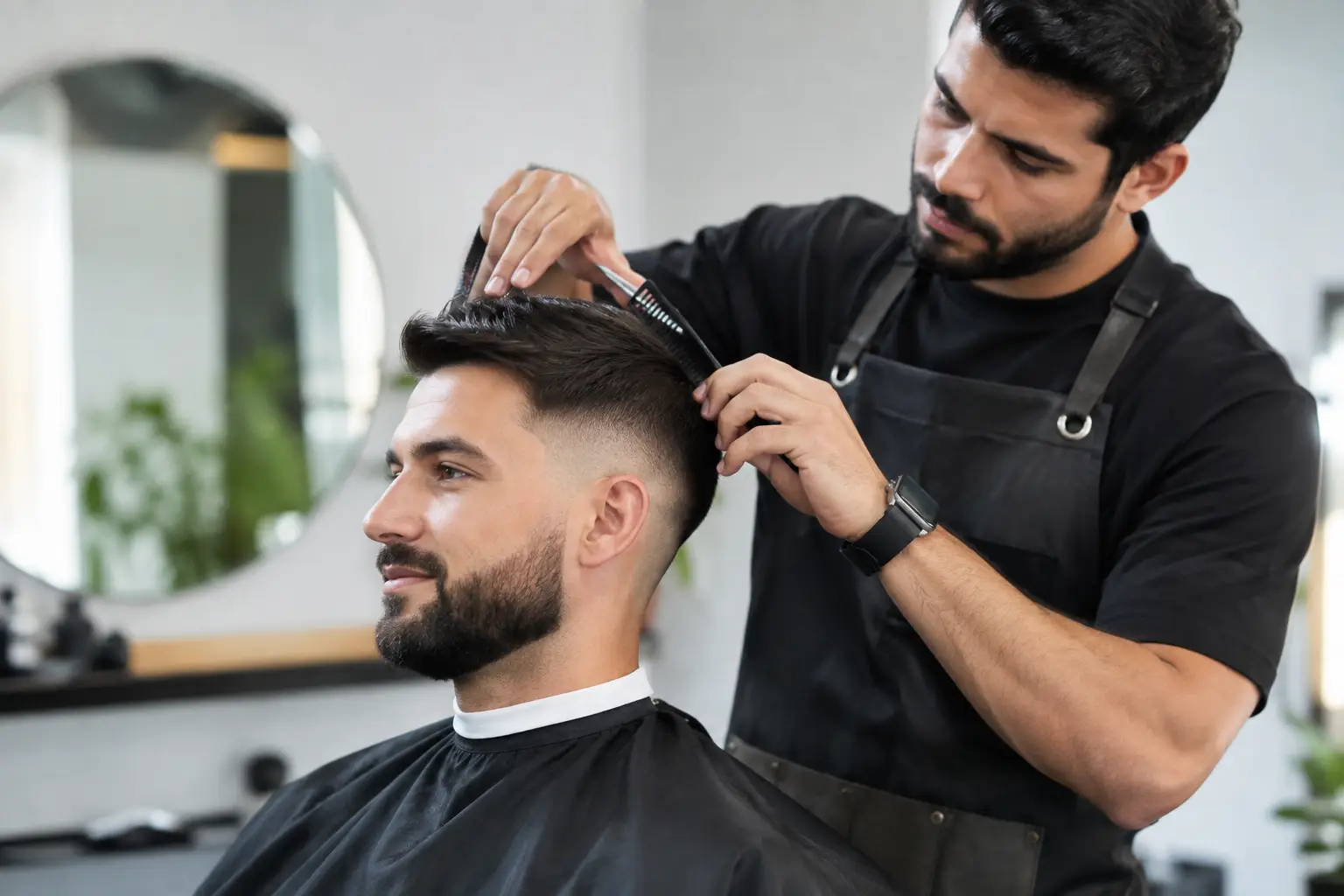

A strong haircut does more than look sharp when you leave the chair. It should sit properly once you have slept on it, work with the way you style it in the morning, and still feel like you do two weeks later. That is why a men’s haircut consultation matters. It gives your barber the information needed to create a cut around your features, routine and personal style, rather than simply repeating the last thing you asked for.
For some men, the consultation takes two minutes. For a bigger change, a new barber or hair that has been difficult to manage, it deserves longer. The goal is not to make the appointment complicated. It is to make every detail intentional.
What happens in a men’s haircut consultation?
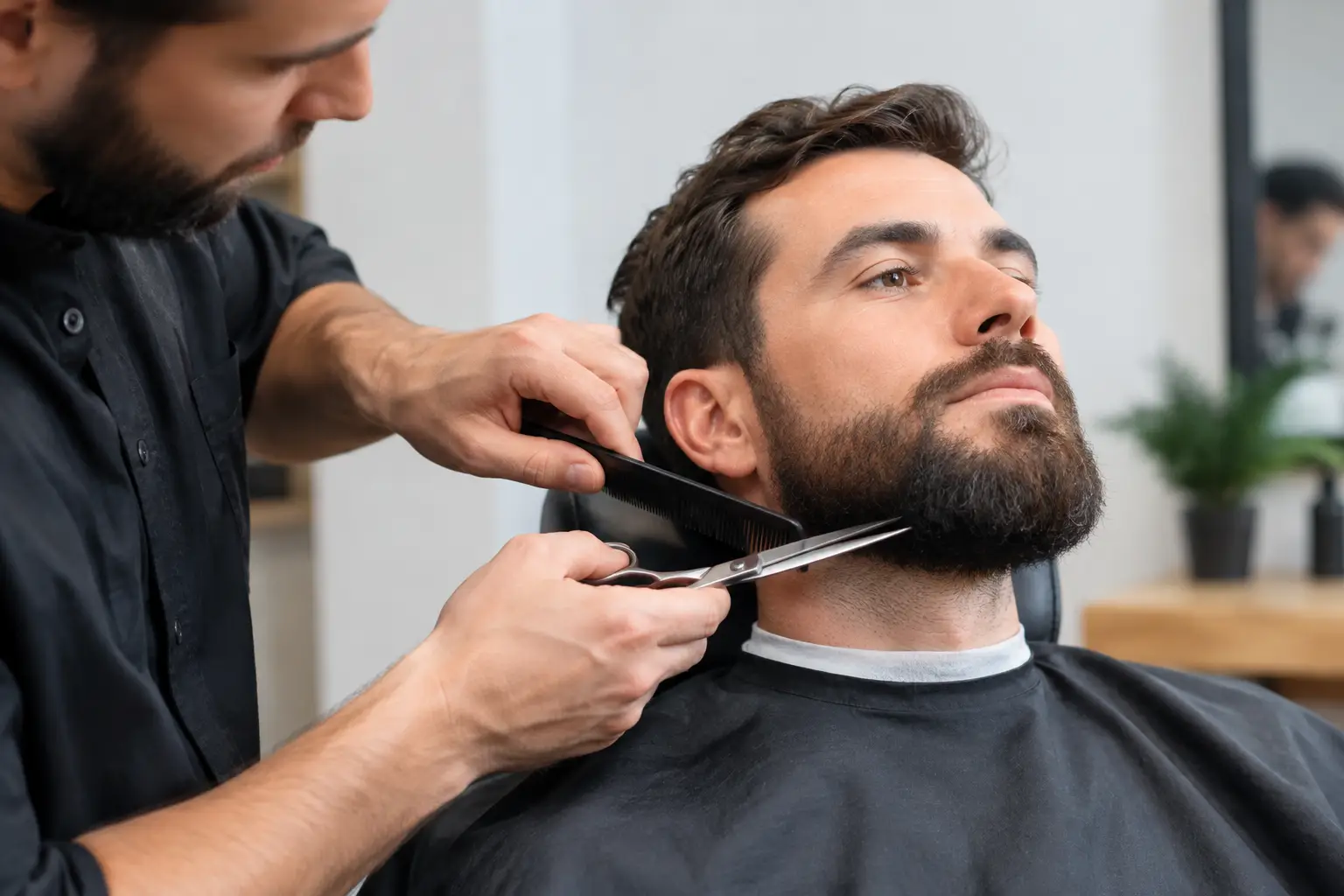
A proper consultation starts before the clippers come out. Your barber will look at your current shape, hair density, growth pattern, hairline and the way your hair naturally falls. This is the practical side of barbering that a reference photo cannot show. However a picture speaks a thousand words and can help norrow down wishes and options. And as clients and barbers do not always speak the same the technical hair language. Thats when images can help.
You will also be asked what you like and dislike about your current haircut. Perhaps the fade grows out too quickly, the fringe drops into your eyes, the crown sticks up, or the top feels too bulky after a fortnight. These details are more useful than saying you simply want it “shorter”. They point your barber towards the parts of the cut that need a better plan.
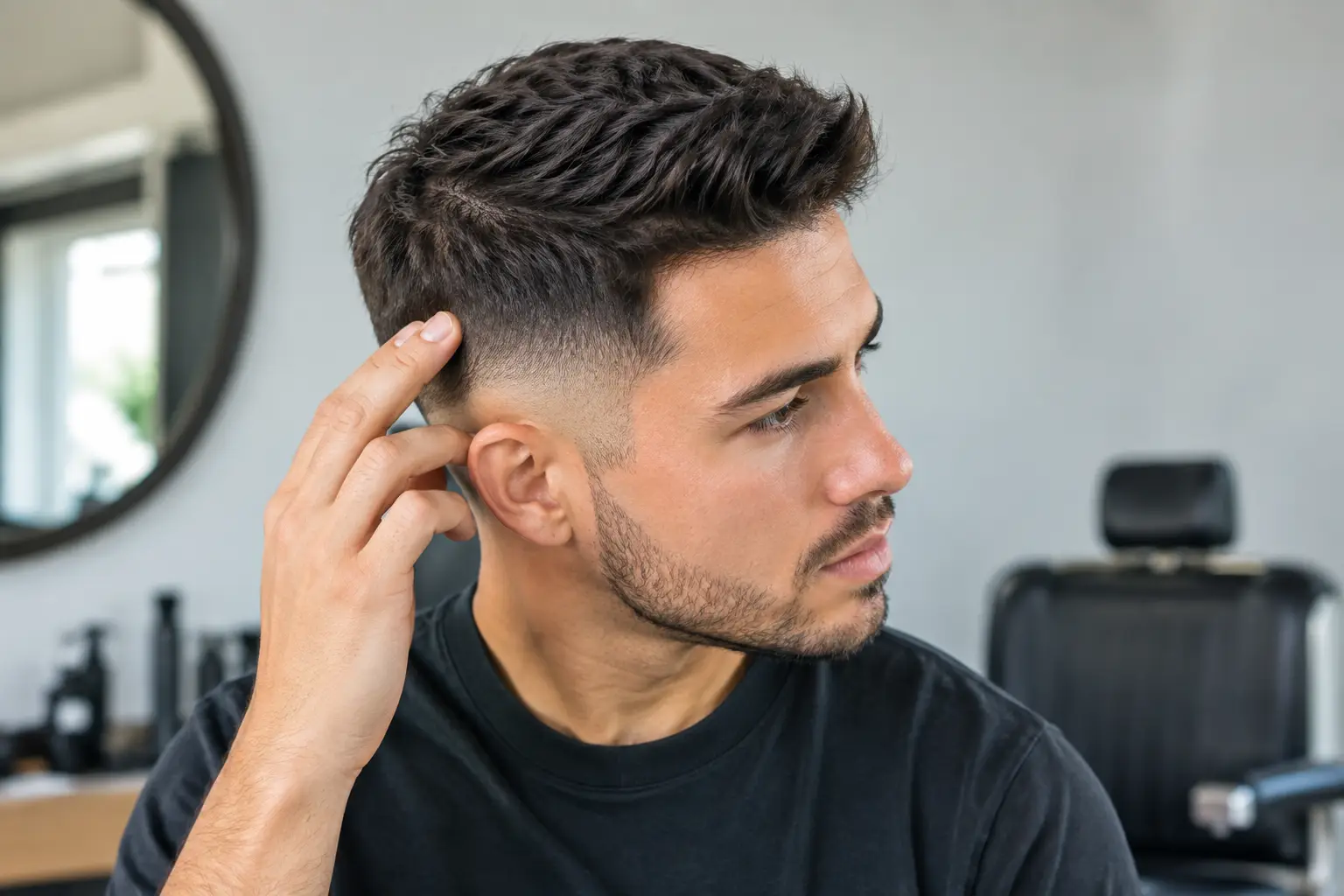
A good conversation also covers the finish. A clean skin fade, a low taper, a textured crop and a classic scissor cut can all be tailored, but each has a different grow-out pattern and maintenance level. The right choice depends on what suits you, not just what is popular this month.
Start with the result you want
Think first about how you want to look and feel when the haircut is finished. You may want something polished for client meetings, relaxed but deliberate for a creative workplace, or clean and low-maintenance for a busy training schedule. Your barber can turn that broad aim into the right length, silhouette and finish.
It helps to be direct about your non-negotiables. If you always want some length through the fringe, say so. If you wear glasses and dislike hair kicking out around the arms, mention it. If you want your sides tight but do not want scalp showing, that distinction matters. A barber hears “short back and sides” every day, but the phrase can mean several different things.
Reference images can be useful, especially if you are considering a new style. Bring one or two that show the overall shape you like, rather than ten images with conflicting details. Be open to your barber adapting the look. The man in the photo may have straighter hair, a different hairline or considerably more density. The best result takes the inspiration and makes it yours.
Your face shape and head shape matter
A haircut should bring balance, not follow a one-size-fits-all rule. More height through the top can lengthen a rounder face, while very tight sides and excessive volume may make a longer face look even narrower. A square jaw can carry a structured cut well, but softer texture can stop the whole look from feeling overly severe.
Head shape is equally relevant. A flatter occipital bone at the back of the head may need careful graduation to create a stronger profile. Prominent areas can require weight to be left in place rather than taken too close. These are subtle adjustments, yet they are often what separates a haircut that looks good from every angle from one that only works in the mirror at the barbershop.
Your barber should also assess the hairline honestly. Receding corners, a widow’s peak and uneven growth are normal. Trying to force a sharp, low hairline where nature will not support it usually creates more maintenance and a less natural grow-out. A considered shape can look cleaner, stronger and more confident.
Be honest about your routine
The most stylish haircut is not necessarily the best haircut for your morning. If you have five minutes to get ready, a style that needs a hairdryer, round brush and precise product application may become frustrating fast. If you enjoy styling and like changing your finish, more texture and length can give you options.
Tell your barber how often you wash your hair, whether you use product, and what happens when you leave it alone. Fine hair can lose volume under a heavy pomade, while thick hair may need a stronger product to control movement. Curly and wavy hair need their own approach too, as shrinkage and curl pattern affect where the final line sits.
Maintenance is part of the decision. A high skin fade can look exceptionally crisp, but it may need attention every two to three weeks if you want that freshly cut contrast. A softer taper, longer scissor work or a more blended shape may carry you comfortably for four weeks or more. There is no superior choice – only the one that fits your diary and your standards.
Use clear barbering language
You do not need technical vocabulary to communicate well, but a few simple terms can make the conversation more precise. “Keep weight in the corners” means avoiding a boxy or overly exposed shape around the temples. “Take the bulk out” refers to reducing density without necessarily making the hair much shorter. “Blend it softly” and “keep a hard line” describe very different finishes.
Clipper numbers can help, though they should not become the entire brief. A number one on one head of hair can look very different on another because of density, colour contrast and scalp tone. Instead of leading with a number, explain how close you want the sides to appear and whether you want the fade to start low, mid or high. Your barber can then choose the technique and guard lengths that achieve it.
If you are unsure, ask to see the proposed shape before the first cut is made. A skilled barber will explain where the fade will begin, how much top length will come off and what the finished balance should be. That small exchange avoids the classic problem of discovering that “a bit off” meant more than you intended.
Let your barber give professional input
A consultation is a collaboration, not a test of whether your barber will copy instructions word for word. Experienced hands may recommend keeping extra length through a weak area, changing the fade height, or avoiding a style that will fight your natural growth. That advice is there to protect the result.
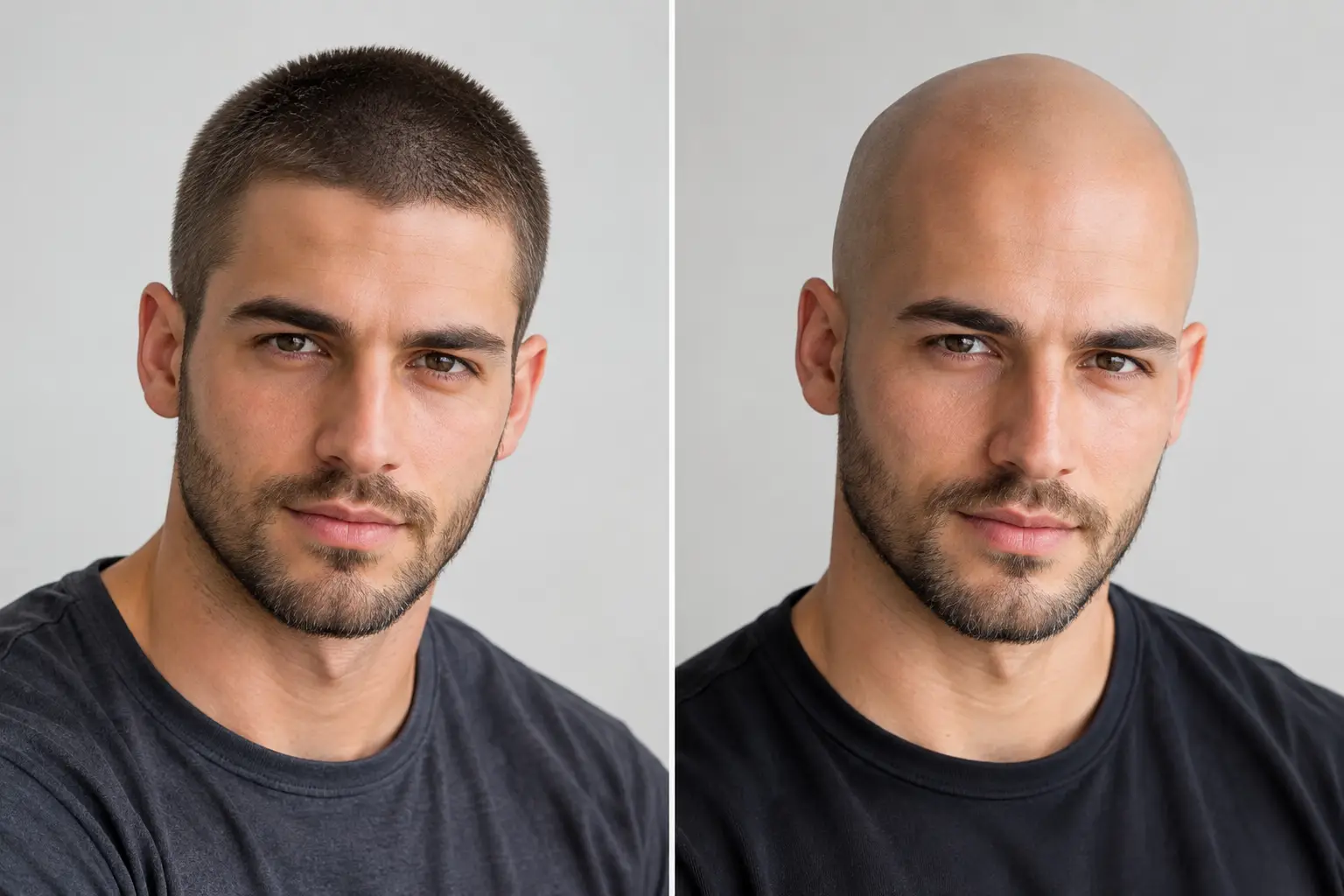
This does not mean you should be talked out of every bold choice. It means the trade-offs should be clear. A disconnected undercut can make a statement, but it may grow out awkwardly. A sharp beard line can define the jaw, but it needs regular upkeep. A fresh buzz cut can be powerful and practical, but it puts more focus on the hairline and head shape.
At Rogue Razor Barbershop, that professional judgement is built into the service: precision cutting is paired with an understanding of how a client’s hair will wear between appointments. The finish matters, but so does what happens after you walk back into your week.
Make the next appointment easier
Your first consultation builds the blueprint. The next one refines it. Pay attention to what you liked after a few days and what became difficult after a few weeks. Perhaps the top was perfect but the neckline grew out too fast, or the fringe needed to be slightly shorter. Tell your barber at the start of your next visit.
Photos of your own haircut can be especially helpful. Take one when it looks at its best, and another when you feel it has gone past its peak. They show the exact maintenance window you prefer far better than a general description.
The right consultation leaves you with more than a fresh cut. You should know why the shape suits you, how to style it at home and when it will need attention again. Arrive with a clear idea, listen to skilled advice, and let the details do their job – confidence tends to follow.
For a more professional advice or service
Book Online
at Rogue Razor Barbershop.