A clean haircut has a rhythm. Leave it too long and a sharp fade starts to blur, weight builds around the ears and your style loses its intended shape. Book too soon and you may be maintaining detail that nobody else has had time to notice. So, how often should men get haircuts? For most men, the answer sits somewhere between two and eight weeks – but your cut, hair growth, routine and preferred finish decide the right interval.
The best schedule is not about following a rule for the sake of it. It is about keeping your hair looking deliberate. Whether you wear a skin fade, textured crop, classic side part or longer natural style, regular barber visits protect the structure that makes the cut work.
How often should men get haircuts for their style?
Your haircut is the strongest guide. Shorter, more detailed cuts need closer maintenance because even a few millimetres of growth can change their outline. Longer styles have more room to move, but still need occasional refinement to avoid looking heavy or unkempt.
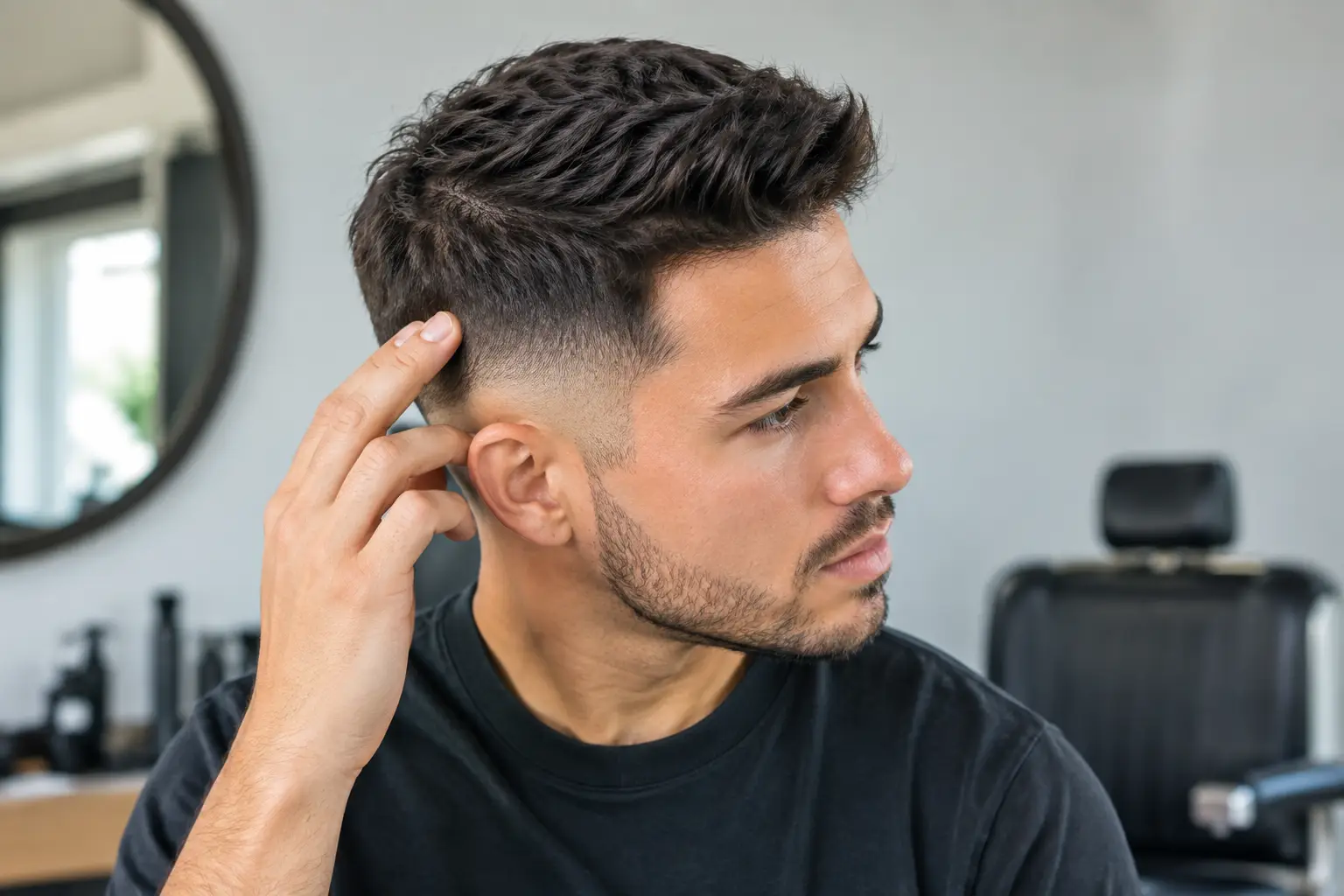
Skin fades and tight tapers: every 2 to 4 weeks
A skin fade is built on contrast. The transition from bare skin to darker hair is precise, and that precision softens quickly as the hair grows through. If you like your fade looking freshly cut at all times, two weeks is the ideal rhythm. And you do not always need a full haircut. Just a Back & Sides to refresh the fade and edges. 2 to 4 weeks usually works well for men who want a clean result without making the barber’s chair part of every fortnight.
The same principle applies to tight tapers around the sideburns and neckline. They may grow out more subtly than a high fade, yet the sharpness at the edges is what gives the whole haircut its polish. A back-and-sides touch-up between full appointments can be a smart option when the top still has the right length and shape.
Short crops and classic cuts: every 4 to 8 weeks
Textured crops, French crops, crew cuts, short quiffs and traditional side parts tend to hold their shape well for a little longer. Most men find that a visit every three or four weeks keeps the proportions balanced. By week five, the sides may start to push out and the crown can become harder to style, particularly with thicker hair.
This is a practical schedule for professionals who want to look consistently well groomed without overthinking it. Your barber can maintain the silhouette, remove bulk in the right places and keep the neckline clean, so your morning styling takes less effort.
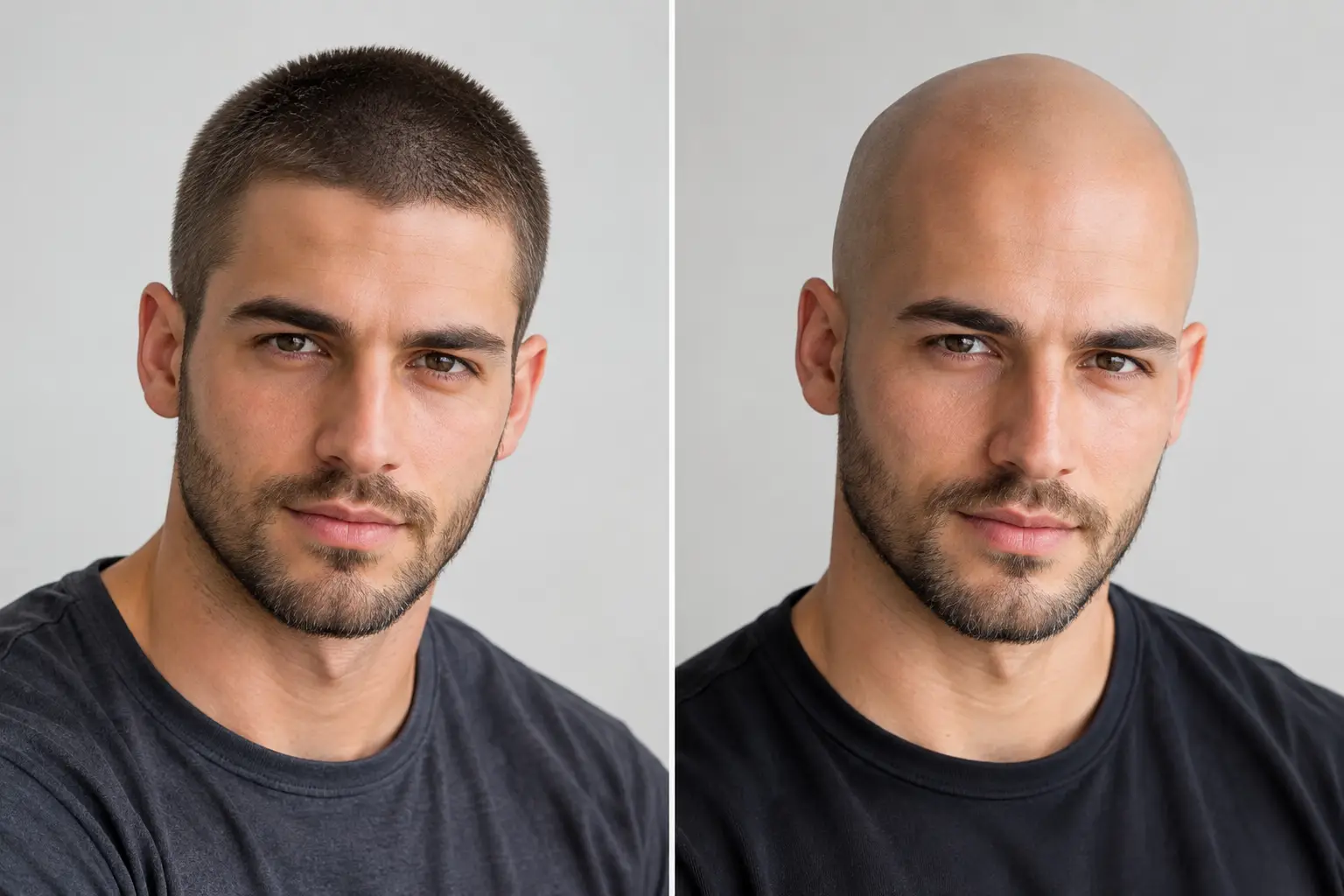
Buzz cuts: every 1 to 6 weeks
A buzz cut is low-maintenance in styling terms, but it is not maintenance-free. Because the length is so short and even, regrowth shows quickly. Men who prefer a close, uniform finish often book every one to two weeks. If you are happy with a slightly softer look, every three to six weeks is usually enough.
Head shape matters here. A professionally executed buzz cut is tailored through the right guard lengths, careful blending at the temples and a clean finish around the neck. It should look intentional rather than simply short.
Medium-length and longer hair: every 6 to 12 weeks
Medium and longer styles do not need constant cutting, but they do benefit from regular shaping. Around six to eight weeks is a strong starting point for layered styles, swept-back hair and hair worn with natural movement. This removes split or dry ends, restores balance and prevents the hair from becoming difficult to control.
If you are growing your hair out, do not disappear from the barber shop for six months. A light tidy-up every eight to sixteen weeks can protect the growing shape without sacrificing meaningful length. The goal is to guide the style through its awkward stages, not cut it back to where you started.
Your hair type can change the timetable
Hair growth rates vary, the average for hair growth is roughly one to one-and-a-quarter centimetres each month. For some it grows slower and others a little faster. Density, texture and direction can make that growth look more or less obvious.
Straight, fine hair often reveals uneven edges quickly, especially around the fringe and temples. Thick hair can gain bulk fast, causing the sides to flare out and the top to lose its shape. Men with curly or coiled hair may be able to go slightly longer between full cuts because texture disguises small changes in length, though a defined fade or line-up still requires frequent detail work.
Your lifestyle plays a part as well. If you wear a helmet, train several times a week or spend your day moving between meetings, you may value a cut that stays controlled with minimal product. If your style is more relaxed and textured, a little growth can add character. The right interval should suit the life you actually lead, not somebody else’s grooming routine.
Know the signs that it is time to book
The calendar is useful, but the mirror is more honest. Your haircut is ready for attention when the sides begin to lose their blend, the neckline looks fuzzy, or your usual styling routine stops producing the same result. A fringe that falls into your eyes, hair that sits too wide on the sides above the ears, or a parting that no longer stays in place are all clear signs.
Beard growth can also influence the timing. When your haircut and beard are both maintained, they frame the face with purpose. When one is sharp and the other is overdue, the overall effect can feel unfinished. Pairing a haircut with a beard trim is an efficient way to reset your entire look, particularly before a holiday, presentation, wedding or a run of important meetings.
Why regular cuts make styling easier
A good haircut is not only about the moment you leave the chair. It determines how your hair behaves on an ordinary Tuesday morning. Well-managed weight, clean layering and a considered outline give your product something to work with.
For short styles, a light clay can create texture without making hair rigid. For a controlled side part or polished finish, pomade offers definition and hold. Sea salt spray can bring grip to finer or longer hair before blow-drying, while powdered wax is useful when you want lift with a dry, natural result. The product matters, but it cannot fully compensate for a shape that has grown out of balance.
There is a financial trade-off too. Booking more frequently means a smaller, more regular investment. Waiting longer may mean your barber needs to reshape more heavily, and you spend several weeks struggling with hair that no longer sits correctly. Many men find that a predictable four-week appointment is the sweet spot: frequent enough to stay sharp, far enough apart to be easy to maintain. An easy sharp schedule could be every 4 weeks the 4 Week Haircut and in between every 2 weeks Just a Back and Sides
Ask your barber to build a maintenance plan
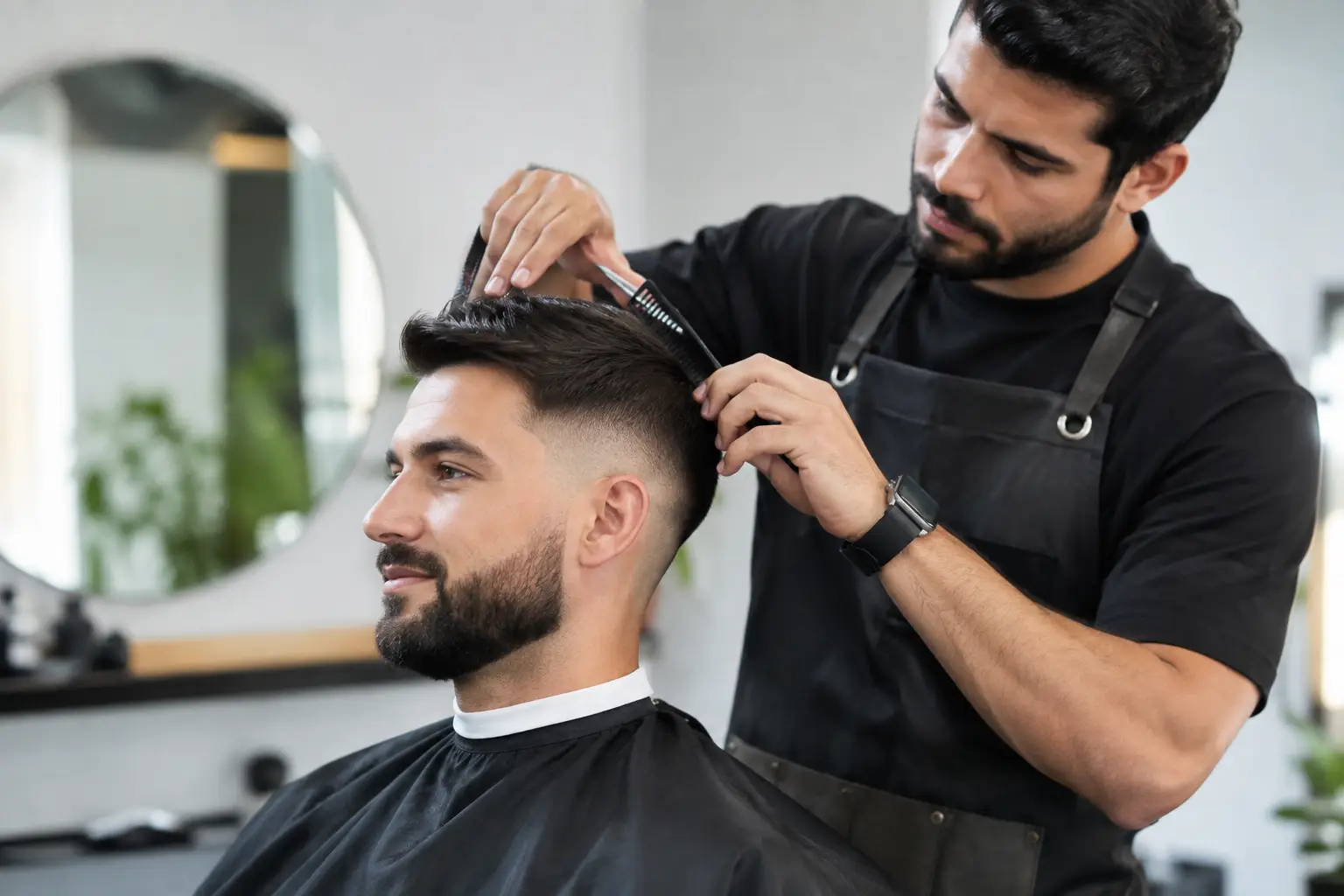
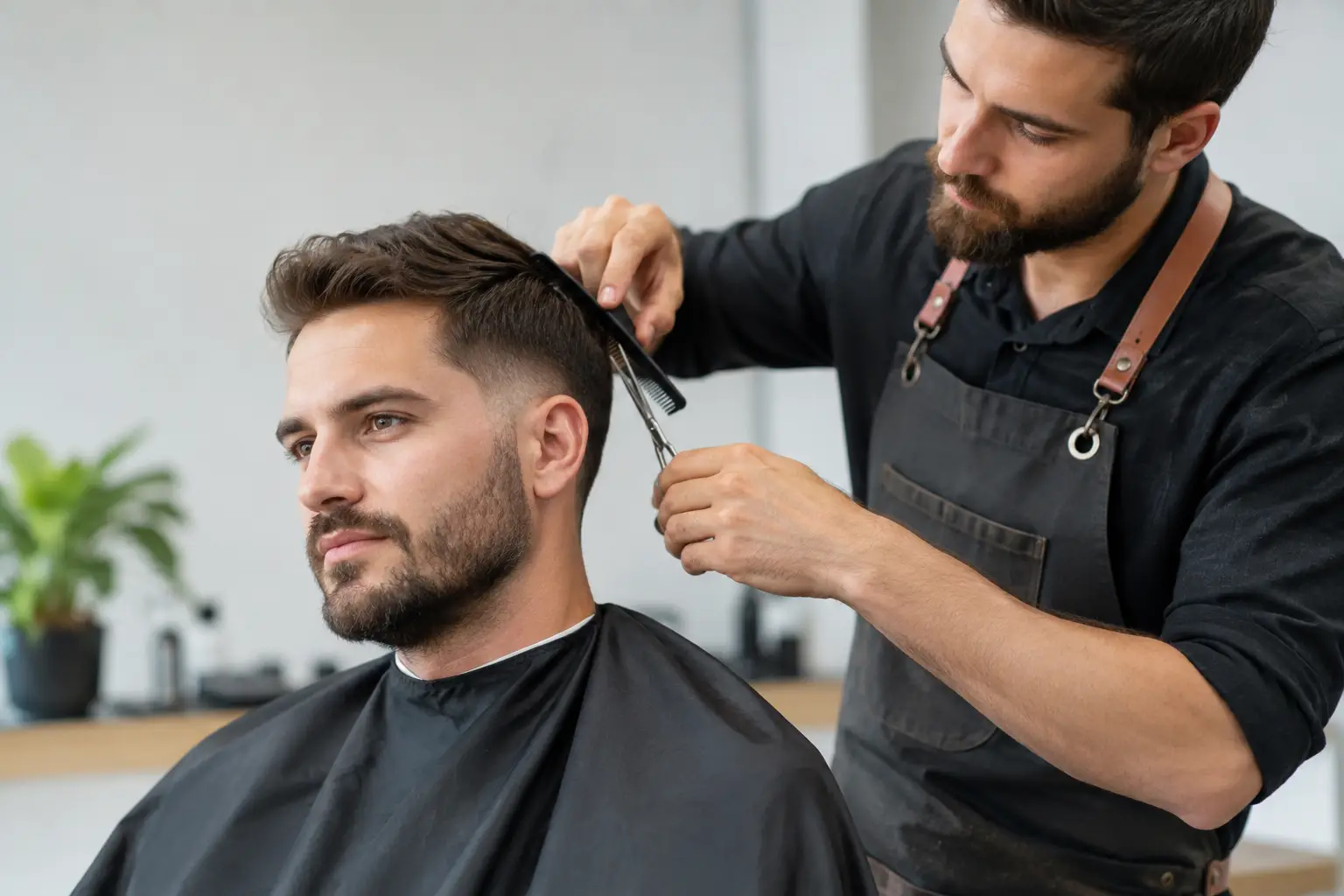
The best haircut schedule should be personal. During your consultation, be clear about how you style your hair, how much time you give it in the morning and whether you want a freshly faded finish or a softer, lived-in look. Mention any event you are preparing for, and tell your barber if you are growing your hair or beard.
At Rogue Razor Barbershop, a considered consultation looks beyond the trend of the moment. Face structure, head shape, density, growth patterns and your personal style all matter. A cut should sharpen your appearance while still feeling like you.
If you regularly leave appointments thinking, “It looked best in week one,” shorten the gap by a week. If your style still sits well at week five, there is no need to force a three-week schedule. Set your next appointment while the shape is fresh, then adjust over two or three visits until the timing feels natural. That is how grooming becomes less of a chore and more of a reliable part of your confidence.
For a more professional advice or service
Book Online
at Rogue Razor Barbershop.