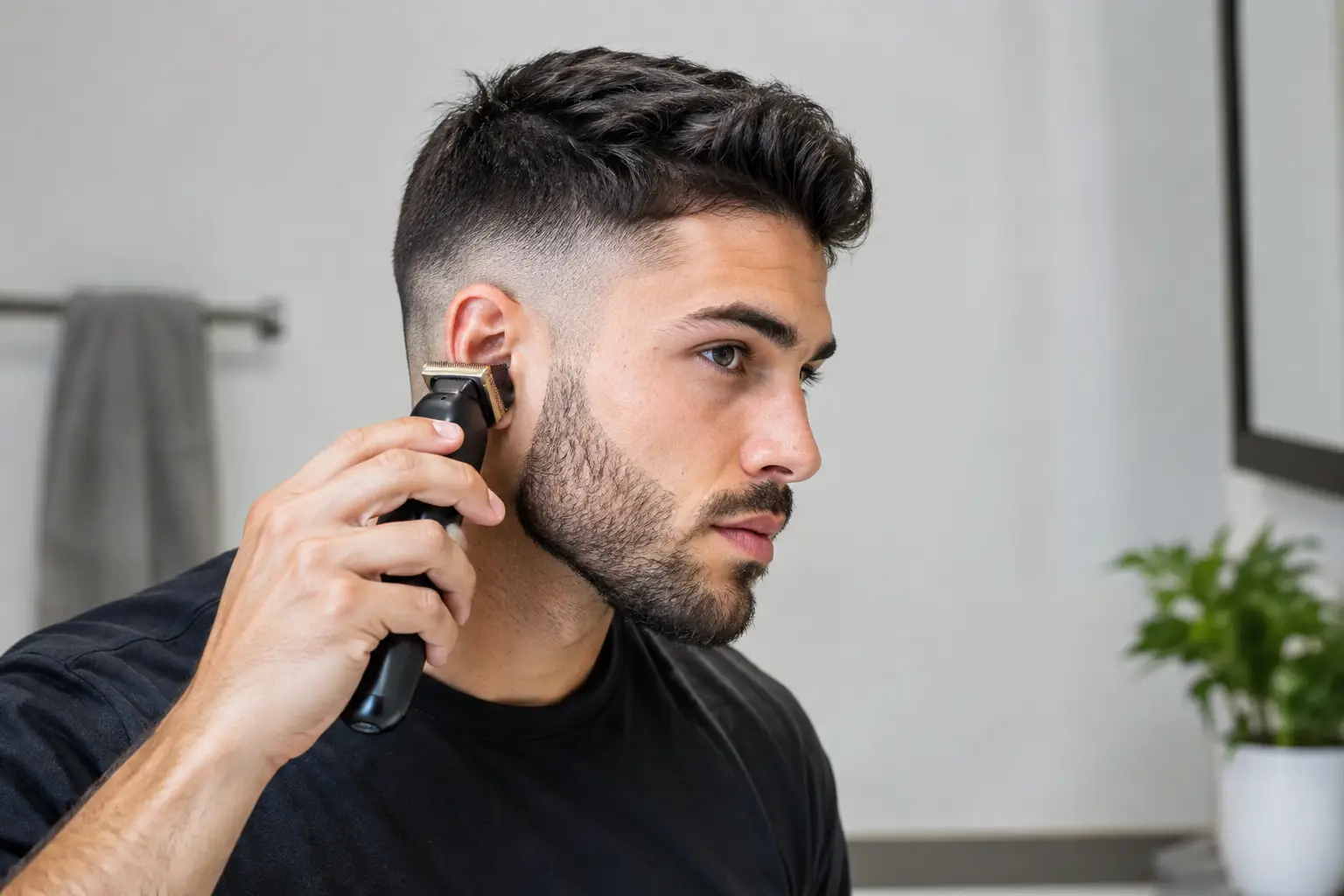
At Rogue Razor Barbershop we understand that a clean fade has a short window where every transition looks perfectly considered: the blend is invisible, the edges are sharp and the shape supports the rest of your style. Knowing how to maintain a fade is what keeps that fresh-cut confidence going after you leave the chair – without turning your bathroom into a barbershop or taking unnecessary risks with clippers. The best advise we could give is to have your barber maintain the fade for you by coming in for only Just a Back & Side service.
The key is simple: protect the work your barber has done, manage the areas that grow out first and return before the silhouette loses its intention. A fade is precision work. Your routine should respect that.
Understand what changes as your fade grows
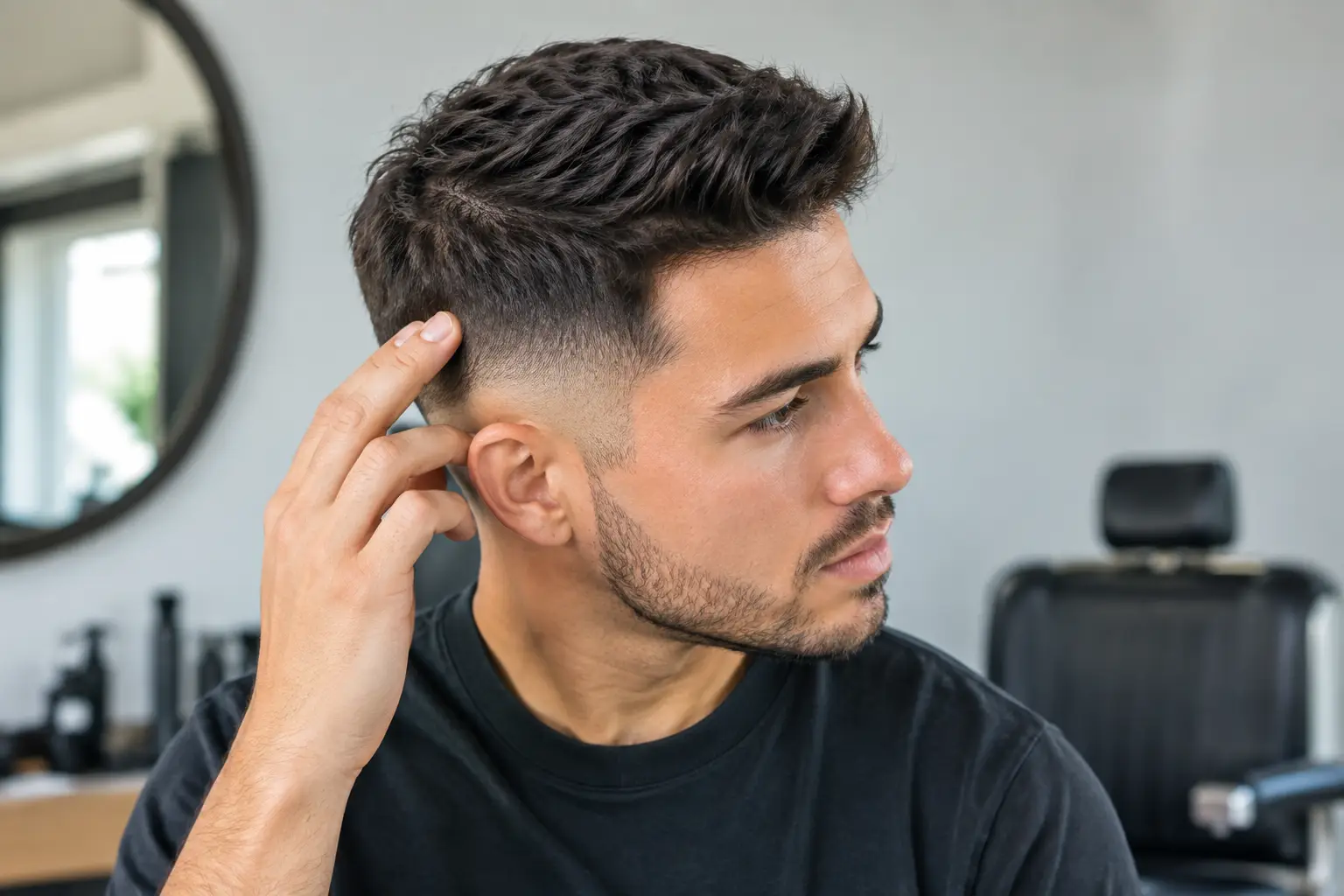
Hair does not grow out evenly from a visual point of view. Even when growth is consistent across your head, the shortest sections of a skin, low or mid fade lose contrast quickly. Within a week, the cleanest area near the ear and nape starts to soften. By week two, the blend may still look good, but the outline and overall sharpness are beginning to change.
How long your fade holds depends on your hair density, growth rate, the contrast of the cut and how short it began. A skin fade looks exceptional but asks for more frequent maintenance than a longer taper. Thick, dark hair can show regrowth sooner, while a softer low fade often gives you slightly more breathing room.
This is why there is no single timetable for every man. For a consistently crisp finish, many clients benefit from a back-and-sides refresh every two to three weeks. If you are happy with a more relaxed, lived-in shape, four weeks can work well, particularly when the top has enough length and structure to carry the style.
How to maintain a fade at home without ruining it
At-home care is less about cutting and more about keeping the hair, scalp and styling under control. The goal is to make the fade look intentional between appointments, not to recreate the original blend with a set of clippers and good intentions.
Wash for a clean scalp, not stripped hair
Product build-up, sweat and dry skin can make close-cropped hair look dull and uneven. Wash your hair regularly with a quality shampoo suited to your scalp, especially if you train often, cycle through the city or use styling products most days. But avoid aggressive daily shampooing if your scalp feels tight or flaky. Stripping natural oils can create irritation, and irritation is far more noticeable around a close fade.
On non-shampoo days, rinsing after a workout may be enough. Use lukewarm water rather than very hot water, then dry the hair properly with a towel. Rubbing hard can aggravate the scalp and leave short hair standing in different directions.
If your scalp is prone to dryness, use a light moisturising scalp treatment or a small amount of non-greasy conditioner. Keep it controlled. Heavy oils and rich creams can leave short hair flat, shiny in the wrong way and more likely to collect dust or product residue.
Style the top with restraint
The fade frames the top, so the styling product you choose matters. A matte clay, paste or cream can add shape without making the sides look greasy. Work a small amount through dry or nearly dry hair, starting at the back and moving forward. You can always add more, but using too much product is difficult to recover from.
Your preferred finish should suit the cut. Textured crops and shorter quiffs tend to work well with a matte product. A classic side part may call for a light pomade or styling cream with controlled shine. If you wear your hair longer on top, a pre-styling spray and hairdryer can build hold without piling on wax.
Avoid dragging product down into the faded sections. The shortest hair does not need it, and excess product can blur the contrast that makes a fade look clean. A quick comb or brush through the top each morning is often enough to restore the shape.
Keep the neckline and facial hair in proportion
As the fade grows out, the nape and sideburn area can make the whole haircut look less precise before the blend itself has truly gone. It is tempting to take a razor or clipper to the neckline, but this is where many home touch-ups create a problem. A line placed too high changes the shape of the cut. A line cut unevenly is difficult to disguise.
If you are confident with a trimmer, only remove obvious stray hairs below the existing natural neckline. Do not chase the line upwards, carve into the fade or try to sharpen around the ears. When in doubt, leave it for your barber. A professional touch-up takes little time and preserves the structure of the cut.
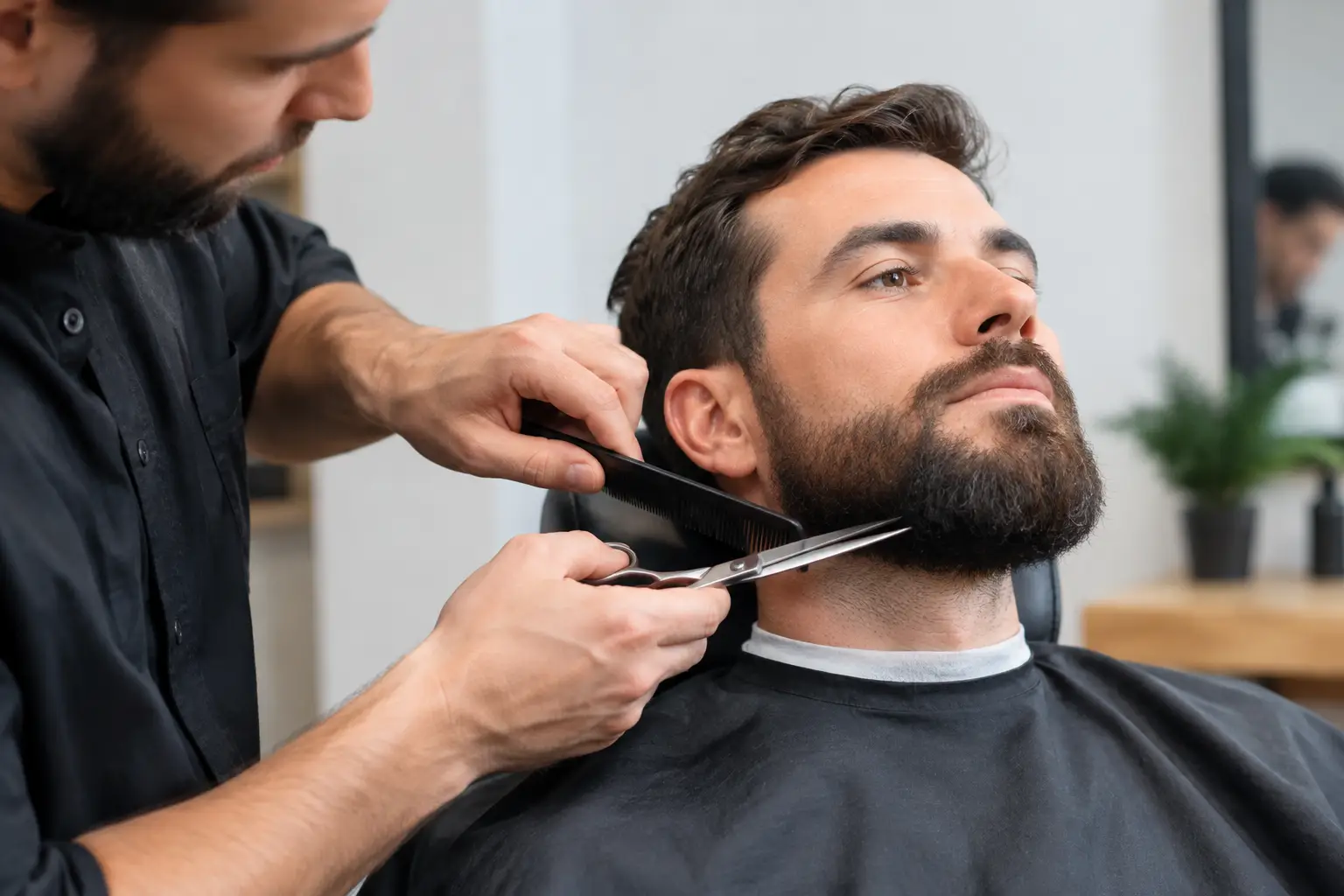
Beard maintenance also plays a part. A fade with an overgrown beard neckline or untidy sideburns can look unbalanced. Keep beard length, cheek lines and the connection at the sideburns intentional. If you wear stubble, regular trimming and a little beard moisturiser will keep the overall finish refined rather than rough.
The home clipper trap
Buying clippers makes sense if you keep a very short buzz cut or have experience maintaining your own hair. For a fade, though, the challenge is not removing length. It is blending multiple lengths smoothly around the curve of the head, while preserving the weight that gives the haircut shape.
One guard length taken too high can erase the transition. A rushed attempt around the temples can leave patches, dark spots or an uneven edge that grows out awkwardly. This is especially true with skin fades, where every inconsistency is visible in strong light.
If you insist on doing anything at home, limit it to the lowest area below the fade using the longest guard that still removes obvious bulk. Stop well before the blended section. It will not look freshly cut, but it may buy you a few days. The safer investment is a maintenance appointment with skilled hands and the right tools.
Protect the finish from your routine
Your haircut has to work in real life, not only under barbershop lighting. Hats, helmets, humid weather, hard training sessions and a busy commute can all affect the way a fade and top style sit.
After wearing a helmet or cap, let your scalp cool and dry before restyling. Pressing product into damp, flattened hair usually creates a heavy finish. Instead, use your fingers to lift the roots, then apply the smallest amount of product where the top needs control.
Sun exposure deserves attention too. Very short faded areas leave more scalp exposed than longer hair does. If you are spending a day outdoors, use a non-greasy scalp sunscreen or wear a breathable hat. A burnt, irritated scalp does not complement a clean fade, and repeated exposure can lead to flaking.
Pillowcases matter more than most men expect. Change them regularly, particularly if you use styling product, train in the evenings or have an oily scalp. Fresh bedding helps reduce product transfer and keeps the skin around your hairline clearer.
Book according to your fade, not the calendar
The best maintenance schedule is based on how you want to look, not simply when you last had time. If your role involves client meetings, presentations or regular events, a fortnightly or three-weekly refresh keeps your appearance consistently sharp. Students, creatives and men who prefer a more natural grow-out may find that a four-week rhythm delivers the right balance of polish and value.
Tell your barber how the cut behaved after your last visit. Did the crown become difficult to style? Did the sides feel too exposed after a week? Did you want the neckline softer, or the top left longer? These details help refine the next cut around your head shape, hair growth and lifestyle.
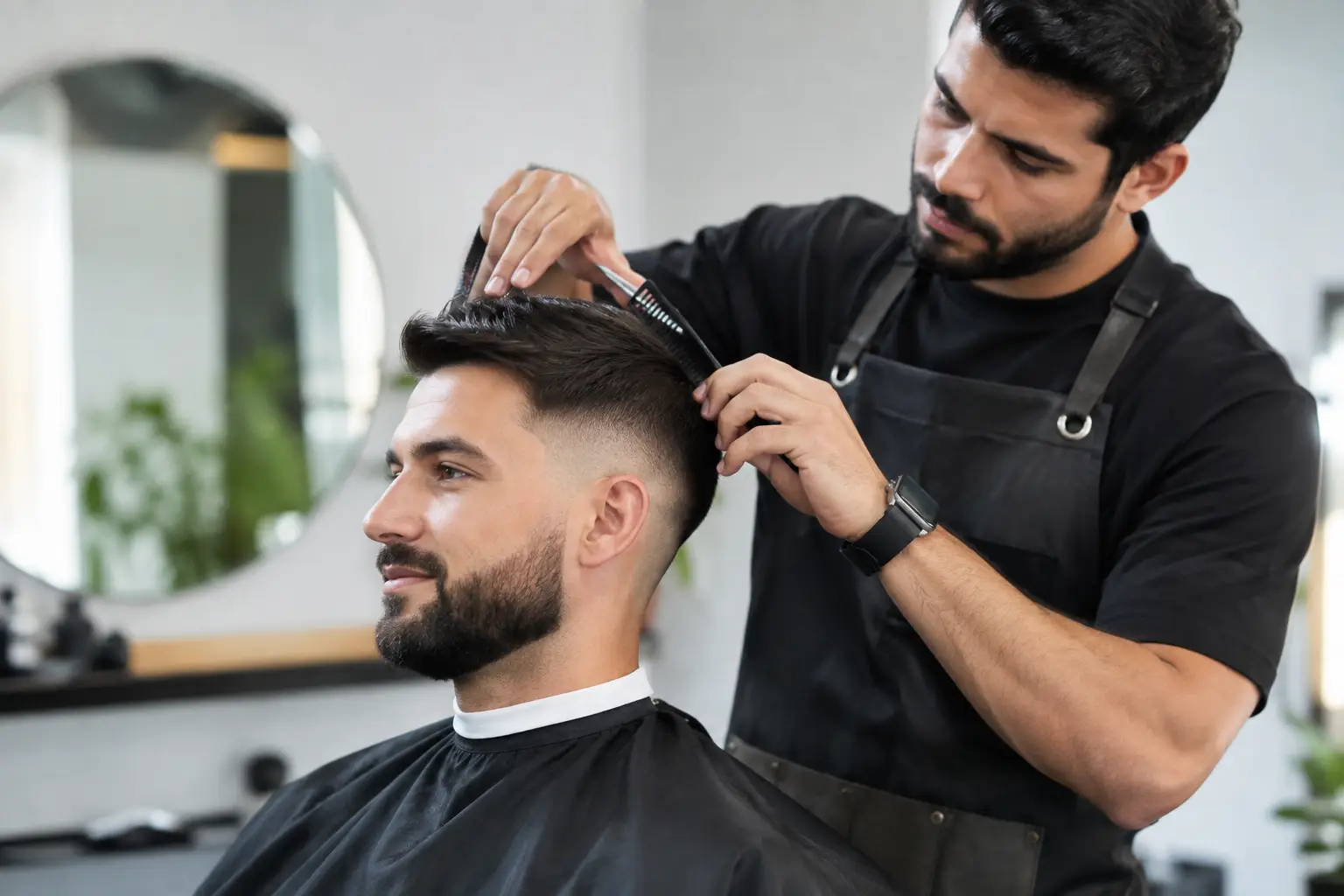
At Rogue Razor Barbershop, a back-and-sides maintenance service can keep the fade looking clean while allowing the top to develop as planned. It is a practical option when you want to protect the original shape rather than start again from scratch.
A fade should feel like part of your signature style, not a short-lived result you spend every morning trying to rescue. Keep the scalp healthy, use less product than you think, leave technical blending to your barber and book the refresh before the sharpness disappears. That is how a good fade keeps working for you.
One response to “How to Maintain a Fade Between Barber Visits”
[…] you actually wear, rather than the one that looks good in a two-second social post. If you keep a skin fade tight, you need someone who can blend cleanly into different hair densities and maintain a balanced shape […]